Finding the Right AI Avatar: Voice, Language, and Budget Options

Spybroski Team
You're probably seeing AI avatars everywhere these days. They're hosting videos, delivering press releases, and popping up in social media content like they've always been there. But here's the thing: not all AI avatars are created equal. If you're trying to find the right one for your content creation needs, you need to think about three main factors: voice customization, language support, and what you can actually afford.
Finding the right AI avatar isn't just about picking the most popular tool. it's about matching features to your specific needs without breaking the bank. Whether you're a blogger trying to add video content to your posts, a vlogger looking to scale production, or a marketer crafting press releases for global audiences, the right avatar can save you hours of filming and thousands in production costs.
Why Voice Matters More Than You Think
Let's talk about voice first because this is where many people get it wrong. The voice of your AI avatar isn't just about sounding clear. it's about sounding like your brand.
AI avatar services with customizable voice tones have become sophisticated enough to match specific brand identities. Platforms like Wavel AI and HeyGen let you adjust pitch, speed, and emotional tone to create anything from casual and friendly to professional and persuasive delivery. You can clone voices from short audio samples, which means your avatar can literally sound like you or a spokesperson without them ever stepping in front of a camera.
Think about it. If you're creating content for a tech startup, you probably want something sharp and energetic. Financial services? Maybe more measured and authoritative. The ability to fine-tune these elements means your avatar actually reinforces your brand identity instead of undermining it.
Voice cloning has gotten really good too. Tools like HeyGen work with platforms like 11 Labs to mirror real voices with surprising accuracy. You record a few minutes of audio, upload it, and the system learns your speech patterns, accent, and natural inflections. The result? Content that sounds authentic, not robotic.
Voice cloning has gotten really good too. Tools like HeyGen work with platforms like 11 Labs to mirror real voices with surprising accuracy. You record a few minutes of audio, upload it, and the system learns your speech patterns, accent, and natural inflections. The result? Content that sounds authentic, not robotic. If you need a simpler starting point before diving into full avatar creation, an AI Voice Generator can help you experiment with different voice styles and tones to find what works for your brand
Speaking Everyone's Language (Literally)
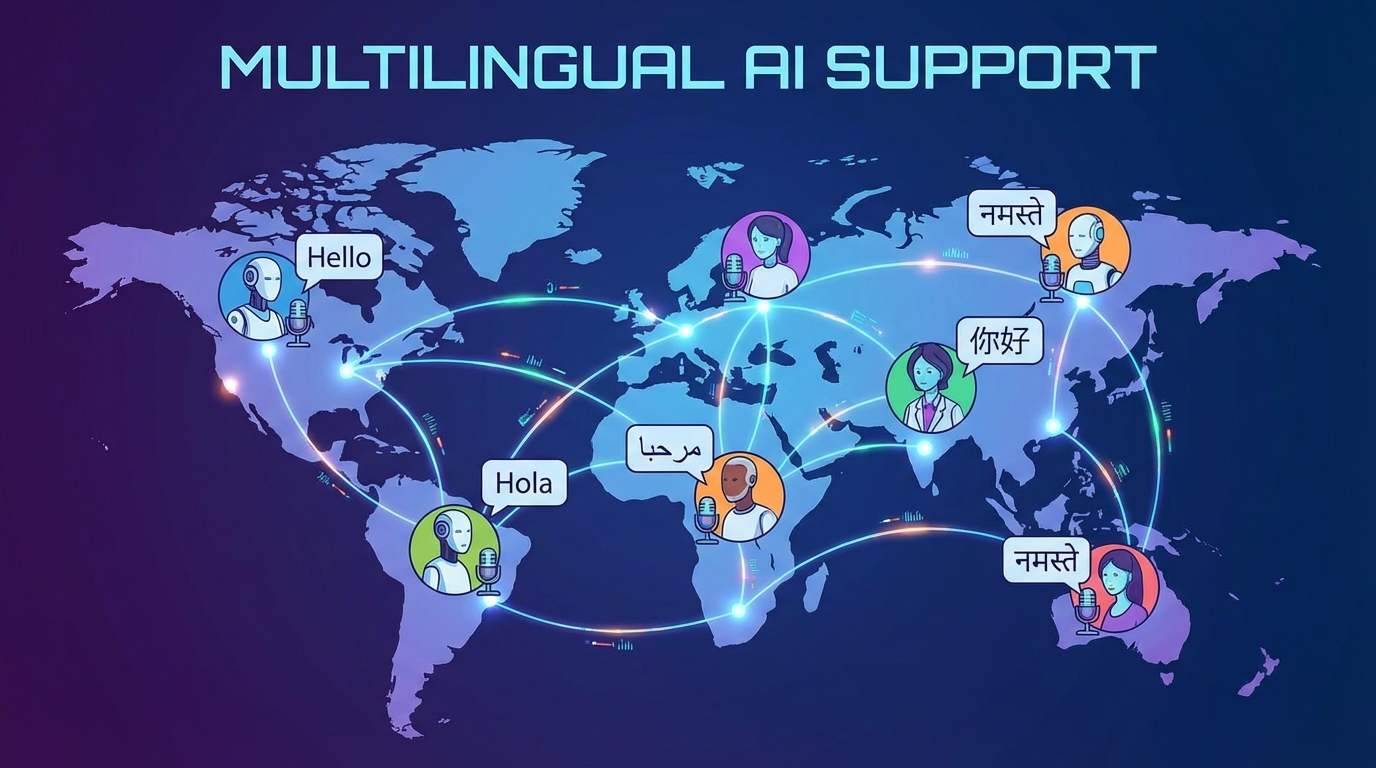
Here's where things get interesting for anyone creating content beyond English-speaking audiences. AI avatar generators offering multilingual support have exploded in capability over the past year.
HeyGen supports 175+ languages with over 100 voice options. Colossyan offers 70+ languages with voice cloning. Play.ht covers 100+ accents across dozens of languages. This isn't just translation. it's localization without reshooting your entire video.
Imagine you've created a product announcement video in English. Traditionally, you'd need to either hire voice actors for each language or use subtitles (which many viewers skip). With multilingual AI avatars, you can generate versions in Spanish, Mandarin, German, and Arabic in the time it takes to grab coffee. The avatar's lips sync to each language, maintaining that professional polish across every version.
This matters especially for press releases and official communications where you need consistent messaging across markets. You're not just translating words. you're maintaining tone and presentation style while speaking directly to each audience in their native language.
If your content workflow includes software products, apps, or web platforms alongside your video content, keeping all your localized strings in sync becomes its own challenge. Tolgee is an open-source localization platform that lets development and marketing teams manage translations collaboratively, so the same messaging consistency you are building into your avatar videos can carry through into your product UI and documentation as well.
The quality varies though. Some platforms handle certain languages better than others. HeyGen tends to excel with major European and Asian languages. Vidyard does well with accent variations within English. It's worth testing your specific language needs with free trials before committing.
Top Picks for Press Releases and Professional Content
If you're specifically looking at top AI avatar creators for press release videos, you need studio-quality output with professional-looking avatars.
Colossyan and TalkingAvatar stand out here. Both offer polished, business-appropriate avatars that look like actual spokespeople rather than obvious CGI. They include features like multi-speaker scenes (for panel discussions or interviews), script rewriting assistance, and professional backgrounds that don't scream "stock video."
Synthesys is another solid choice for marketing and training videos where you need emotional range. Their emotional synthesis feature lets the avatar convey enthusiasm, concern, or confidence based on the content. This subtle emotional layer makes announcements feel more genuine and less like reading from a teleprompter.
TalkingAvatar specifically allows you to convert a simple photo into a speaking avatar with cloned voice capabilities. You could literally use your CEO's headshot from the company website and have them "deliver" quarterly updates without scheduling studio time.
Budget-Friendly Options for Bloggers and Vloggers
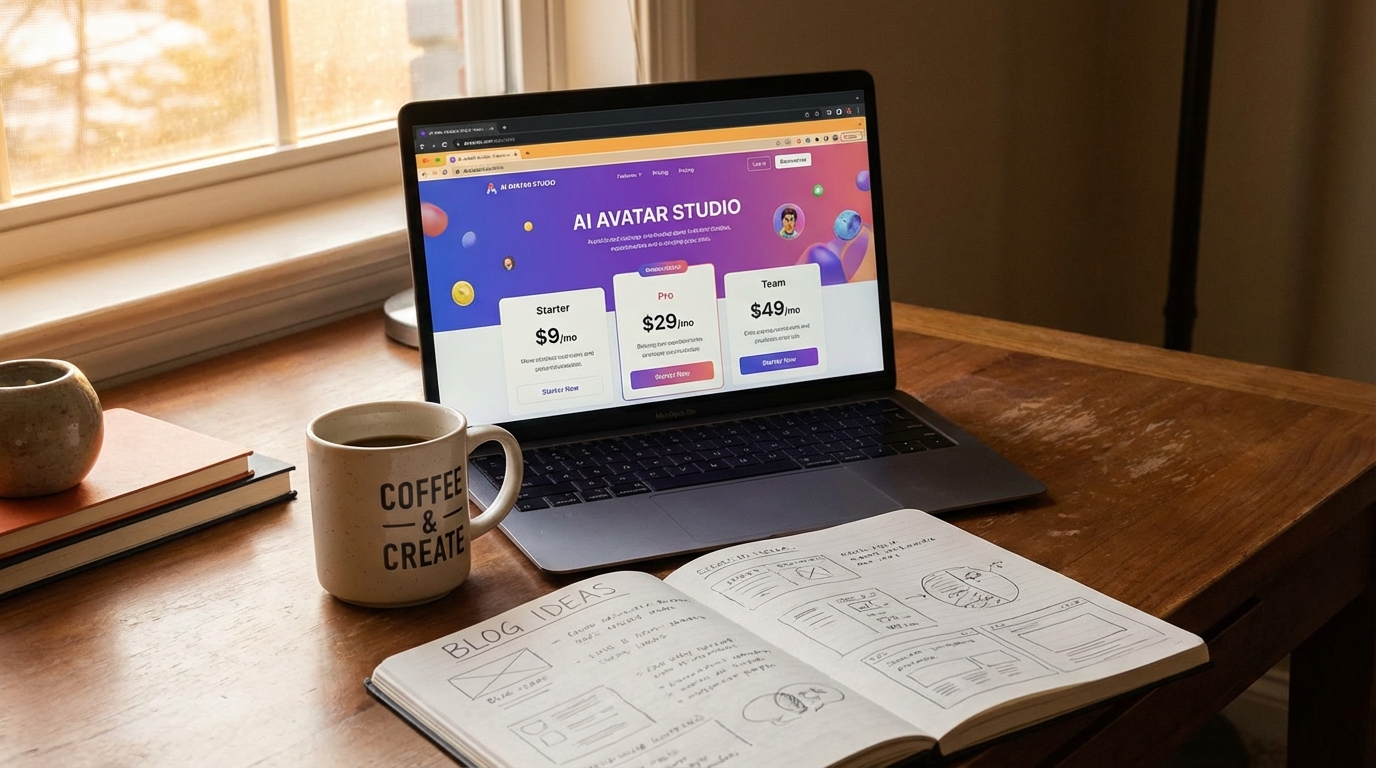
Now let's get real about money because not everyone has enterprise budgets for this stuff.
Affordable AI avatar solutions for bloggers and vloggers exist, but you need to know what you're getting. Many platforms offer free tiers with limitations. usually around export quality, video length, or watermarks.
Veed is particularly good for beginners. You can create an avatar in about 10 minutes, choose from pre-built templates optimized for TikTok, YouTube Shorts, or Instagram Reels, and export quickly. The free version has restrictions, but for testing whether AI avatars fit your content strategy, it's perfect.
Free generators often provide templates for social media formats, which saves time on sizing and aspect ratios. If you're creating content for multiple platforms, this feature alone can justify using a specific tool.
The pricing landscape generally breaks down like this:
Free tiers: Good for testing and occasional use, limited exports $10-30/month: Decent for regular content creators, removes watermarks, increases export limits $50-100/month: Professional features like voice cloning, multiple avatars, priority rendering Enterprise: Custom avatars, API access, team collaboration features
For most bloggers and vloggers starting out, the $20-30/month range hits the sweet spot. You get enough exports for consistent content without the commitment of enterprise pricing.
Collaboration and Workflow Considerations
While research on AI avatar solutions with real-time team collaboration is still emerging, some platforms are building in team-friendly features.
Cloud-synced projects mean multiple team members can access and edit avatar videos without emailing files back and forth. This matters if you're working with editors, translators, or clients who need to review content before it goes live.
Platforms like Visla and some HeyGen features allow project sharing and commenting, though full collaborative editing (like Google Docs for video) isn't quite there yet. If team collaboration is critical, look for platforms that integrate with your existing [project management tools] https://www.spybroski.com/blog/posts/finding-right-ai-avatar-voice-language-budget) or offer shared workspaces.
Making Your Choice: A Practical Framework
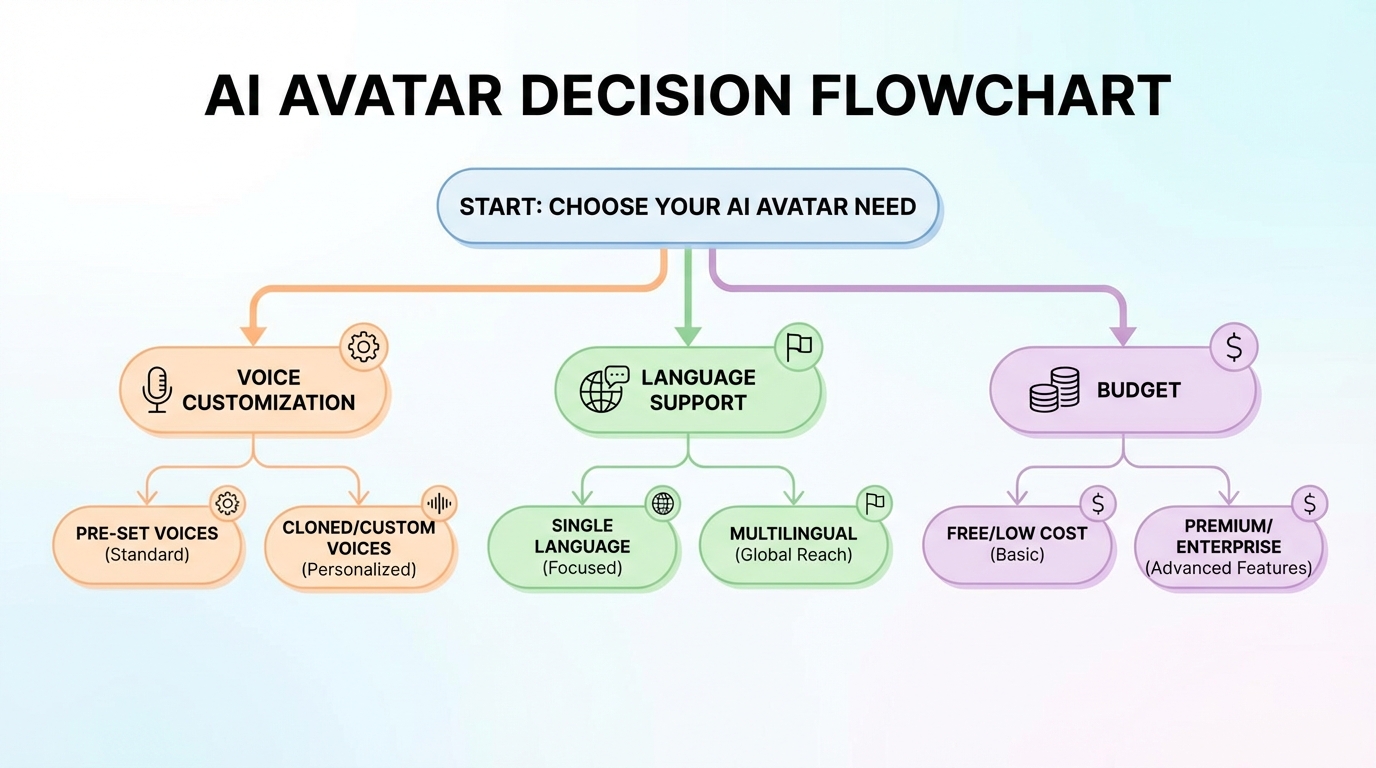
Here's how to actually choose:
Step 1: Define your primary use case. Press releases need polish. Social content needs speed. Training videos need clarity.
Step 2: List your must-have features. Voice cloning? Specific languages? Export format requirements?
Step 3: Set your budget ceiling. What can you realistically spend monthly?
Step 4: Test 2-3 platforms with free trials. Actually create sample content, don't just browse features.
Step 5: Check the fine print. Export limits, commercial use rights, and cancellation policies matter.
Don't get distracted by feature bloat. A platform with 300 avatars sounds impressive until you realize you'll only ever use 2-3 that match your brand. Focus on voice quality, language accuracy for your markets, and whether the pricing model fits your production volume.
Current Trends Worth Watching
The AI avatar space is moving fast. Voice cloning has become standard rather than premium. AI lip sync quality has improved to where mouth movements match speech naturally rather than looking dubbed. Emotional range is expanding beyond basic happy/sad to nuanced expressions.
The 2025 focus is shifting toward real-time generation and interactive avatars that can respond to live inputs. For most content creators, this isn't immediately relevant, but it suggests where the technology is heading. Static, pre-recorded avatar videos might eventually seem as outdated as text-only websites.
Ethical considerations are becoming more prominent too. Voice ownership, deepfake risks, and disclosure requirements are all evolving. Reputable platforms are building in usage restrictions and requiring consent for voice cloning. Pay attention to these policies, especially if you're cloning voices that aren't your own.
Wrapping Up: Your Next Steps
Finding the right AI avatar comes down to matching capabilities to your actual needs. You don't need every feature. you need the right features at a price that makes sense for your content volume.
Start with voice. Can the platform deliver the tone and emotional quality your brand requires? Test multilingual support if you're creating content for international audiences. And be honest about your budget. There's no point falling in love with features you can't afford long-term.
The best approach? Pick one platform that meets 80% of your needs and learn it thoroughly. Constantly switching tools wastes more time than any single platform's limitations will cost you.
Try the free tiers. Create real content, not just test videos. See how the avatar sounds in your actual scripts. Check if the voice maintains quality across different content lengths. And remember, the goal isn't to find the perfect tool (it doesn't exist) but to find the right tool for your specific situation.
Your content creation process is about to get a lot more efficient. Choose wisely, and those AI avatars will become one of your most valuable production assets.