The Truth About Your Snap Score: 4 Myths Debunked

James Rice
The Truth About Your Snap Score: 4 Myths Debunked
Have you ever clicked on a friend's Snapchat profile and felt your jaw drop at their Snap Score? Seeing a number in the millions can make you wonder what kind of digital sorcery they are performing to get it that high.
While the number looks simple, what it actually represents and more importantly, what it doesn't, is one of the most misunderstood aspects of social media. The Snap Score is surrounded by urban legends and confusion. It’s not just a counter; it’s a "super-secret" algorithm.
Below, we debunk the most common misconceptions and reveal the surprising truths behind that little number on your profile.
1. Quality Over Quantity: It's Not About Who You Add
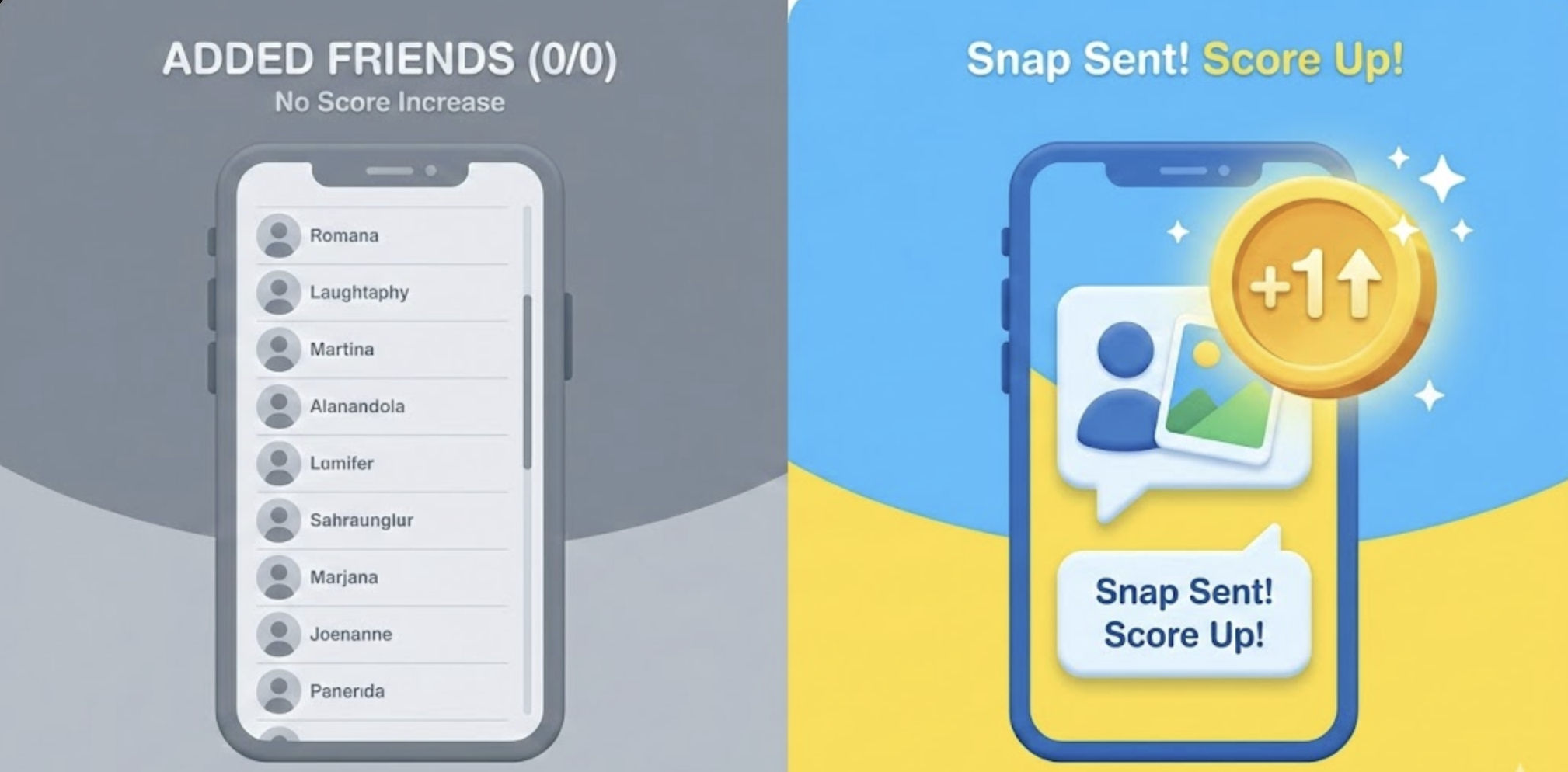
The Myth: "If I add 100 people right now, my score will jump up."
The Truth: Adding friends is not a strategy for points.
Many users believe the key to a high score is bulking up their friend list. This is false. Your Snap Score is an engagement metric, not a popularity contest. While some reports suggest you might get a nominal point for accepting a request, mass-adding strangers won't move the needle.
Why does having more friends seem to help?
It’s purely a numbers game regarding opportunity. Having more friends gives you more people to send Snaps to and receive Snaps from. The action of sending and opening Snaps is what drives the score up.
- What Counts: Sending Snaps (photos/videos), Opening Snaps, Posting Stories.
- What Doesn't: Adding friends, text chats, viewing stories.
2. The Permanent Record: It Never Goes Down
The Myth: "My score dropped because I haven't used the app in a month."
The Truth: Your Snap Score is a one-way street.
Unlike video game rankings that decay over time or follower counts that fluctuate, the Snap Score is a cumulative total of your life on the platform. It represents the sum of your engagement since the day you created your account.
It cannot be lowered, reset, or docked for inactivity. If you ever log in and see your score has dropped, don't panic—it is almost certainly a temporary display glitch that will resolve itself once the app refreshes.
Snapchat admits they use a "super-secret, special equation," but one variable is constant: it only goes up.
The Myth: "My friend has 500,000 points; that must be the highest score ever."
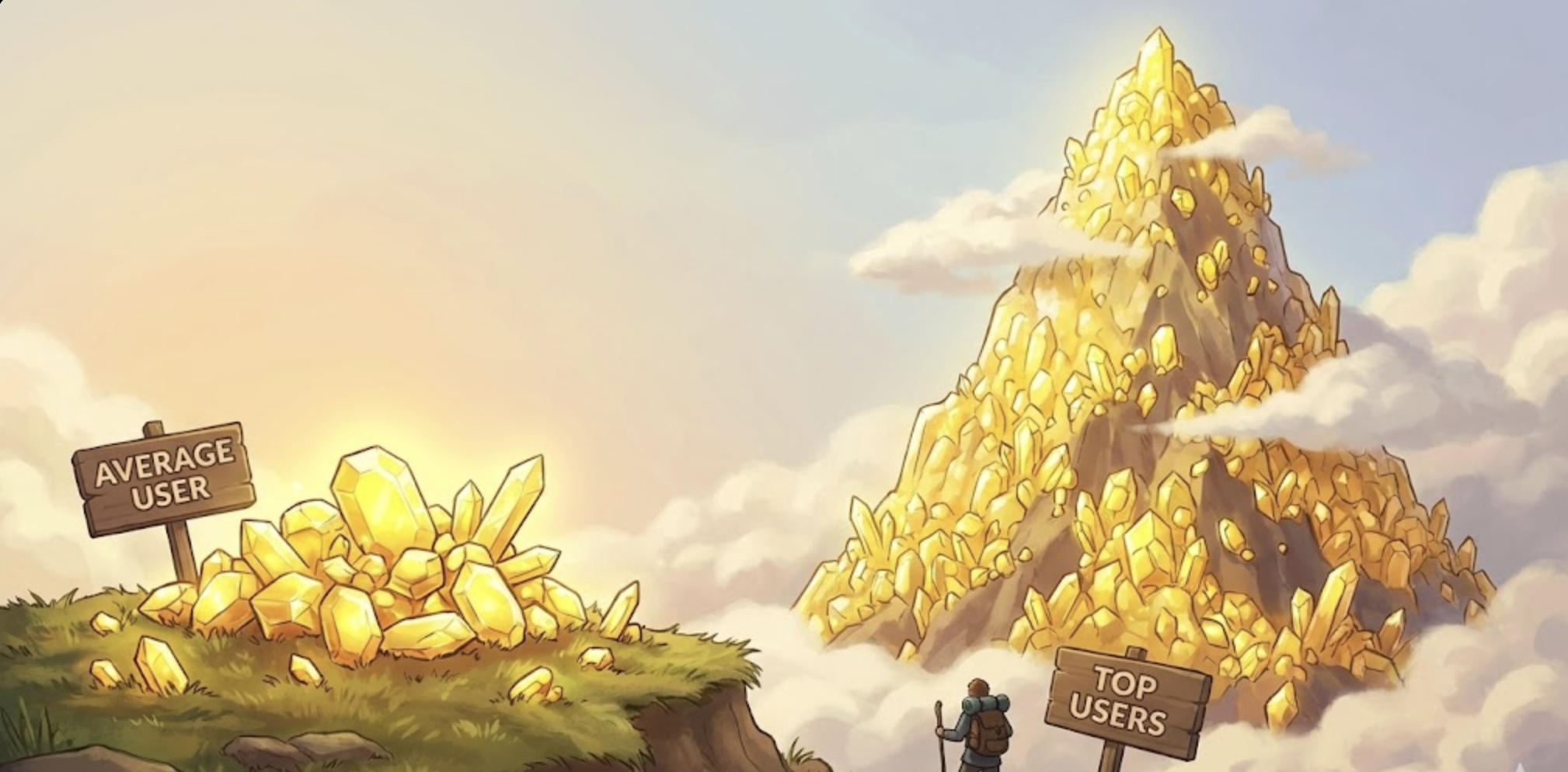
The Truth: The "elites" are in the hundreds of millions.
If you think a score of 100,000 is impressive, you haven't seen the heavy hitters. While the average daily user usually hovers between 50,000 and 200,000, the dedicated elite have pushed the metric into the stratosphere.
Because there is no official leaderboard, we rely on community reports. The current widely cited record-holder is a user named Mustbecris, with a score surpassing 320 million. Other legends like Dion-19 are also deep in the hundreds of millions. These numbers represent a level of activity that is mathematically impossible for a casual user to achieve.
4. The Prize is... Nothing?
The Myth: "If I hit 1 million points, I unlock a special filter."
The Truth: The only reward is bragging rights.
Perhaps the most counter-intuitive truth about the Snap Score is that it is functionally useless. Achieving a massive score does not unlock hidden features, remove ads, or grant special editing tools. Its value is purely social—a digital status symbol used to compare activity levels with friends.
However, Snapchat has realized people care about this number. They have monetized the pursuit of the score via Snapchat+. Subscribers to the premium service can activate a "Snapscore Multiplier," allowing their score to grow twice as fast.
Ideally, you are paying real money to accelerate a number that gets you nothing.

Conclusion
The Snapchat score is a quirky metric that is more about social ritual than tangible reward. It ignores your friend count, never decays, and unlocks absolutely nothing—yet we still check it. It is simply a running receipt of your digital interaction.
So, the next time you see a score in the millions, don't ask what they won. Ask how much time they spent to win nothing at all.