
Digital Boundaries for Responsible Device Oversight

Spybroski Team

Smartphones give instant access to conversations, media, social networks, and location sharing. But constant access without structure often leads to hidden risks. Messages can be deleted. Accounts can be private. Apps can disguise their true purpose. That’s why responsible oversight starts with strong digital boundaries — not blind trust or extreme control.
In this article, you will discover how digital boundaries improve device supervision, how digital literacy strengthens awareness, and how tools like SpyBubble SMS tracker support structured oversight without unnecessary confrontation.
What Are Digital Boundaries in Device Oversight?
Digital boundaries are clear, structured rules that define how devices should be used. They protect privacy, safety, and emotional well-being while allowing healthy independence.
Without boundaries, device usage becomes reactive. Oversharing, risky communication, and excessive screen time develop gradually — often unnoticed. Strong digital boundaries typically include:
- Defined rules about app downloads
- Clear expectations about private messaging
- Guidelines for social media privacy settings
- Limits on late-night device use
- Open discussions about online experiences
Boundaries are not about punishment. They are about structure. When expectations are clear, device oversight becomes consistent rather than emotional.
Why Digital Literacy Strengthens Digital Boundaries
Boundaries alone are not enough if users do not understand why they exist. This is where digital literacy becomes essential. Digital literacy means recognizing how online behavior affects privacy and safety. It involves understanding that:
- Private messages can be saved or shared
- Location data reveals daily routines
- Online strangers may not be who they claim
- Deleted chats may not truly disappear
- One shared image can spread instantly
When children and teens understand these realities, digital boundaries feel logical rather than restrictive.
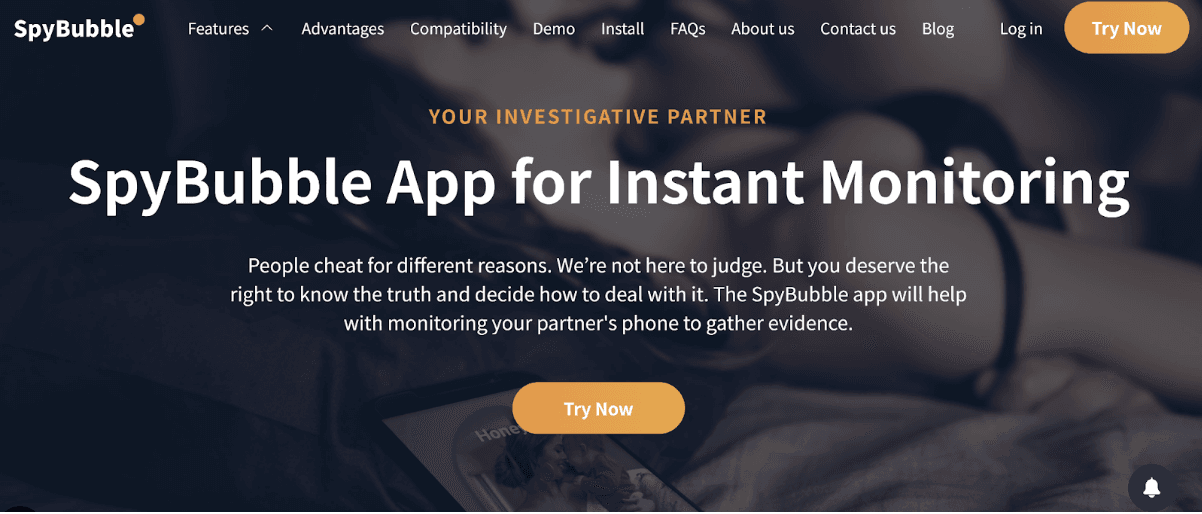
For parents, digital literacy also means staying informed about the apps and platforms their children use. Supervising without understanding modern digital environments creates dangerous blind spots. Tools like the SpyBubble App help reduce those gaps by providing structured insight into messaging activity, social media interactions, browsing history, and location data — allowing parents to base decisions on clear information rather than assumptions.
The Limits of Basic Monitoring Methods
Many families rely on built-in parental controls. These tools may block certain websites or restrict downloads, but they rarely provide deeper insight into communication patterns.
Manual phone checks often lead to tension. Free monitoring apps frequently offer incomplete data or delayed updates. Some claim to provide advanced tracking but miss activity within popular messaging platforms.
Surface-level supervision cannot support responsible oversight. Without full visibility, boundaries cannot be enforced effectively.
Structured monitoring systems provide clearer oversight by organizing calls, messages, browsing activity, social media interactions, and location data into one accessible dashboard. This reduces guesswork and strengthens informed decision-making.
Responsible Oversight Without Constant Conflict
One common concern about monitoring is trust. However, conflict often arises from suspicion rather than transparency. When oversight is inconsistent, assumptions replace facts.
Understanding how does SpyBubble work helps clarify how structured monitoring supports calm supervision. Instead of physically checking a device repeatedly, activity is collected and presented in an organized format.
The SpyBubble App gathers:
- Call logs and contact information
- SMS and multimedia messages
- Social media conversations
- Browsing history
- GPS location updates
This organized reporting allows patterns to be observed over time. Sudden spikes in messaging, unknown contacts, or unusual browsing behavior become visible early.
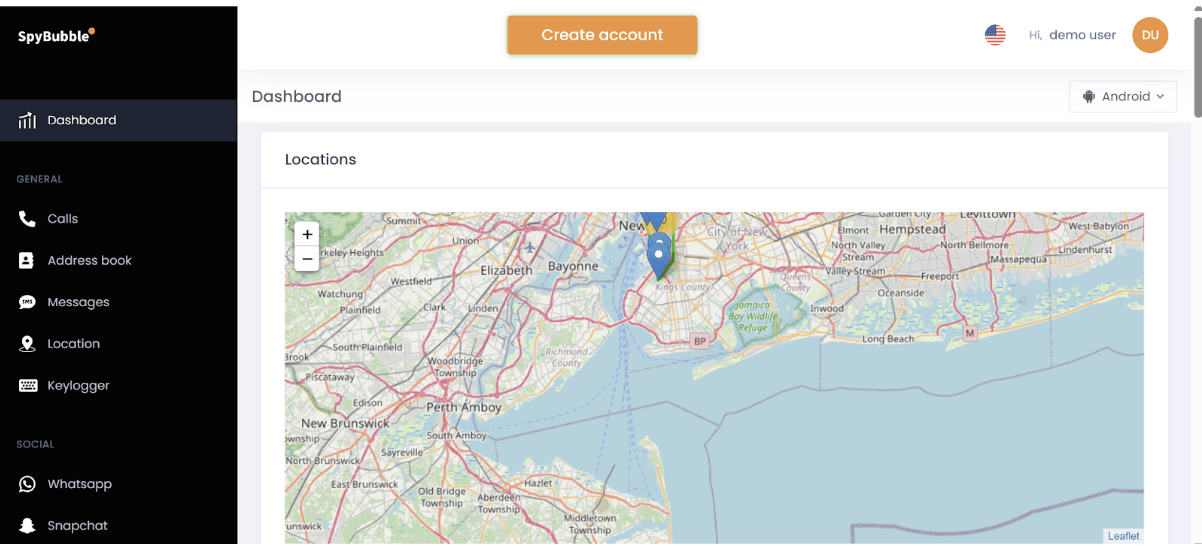
Unlike fragmented tools that miss private chats or update inconsistently, comprehensive monitoring reduces blind spots. That clarity strengthens digital boundaries because expectations are backed by information.
SMS Monitoring as a Core Oversight Tool
Despite the rise of social media apps, SMS communication remains widely used. Important conversations — including those involving peer pressure or risky interactions — often happen through standard text messaging.
The SpyBubble App includes SMS tracking features that allow users to review sent and received messages in a structured format. This provides insight into communication tone, frequency, and contact patterns.
Unlike manual checks, which can feel intrusive, organized reporting allows oversight to happen discreetly. Reviewing patterns over time provides context rather than isolated snapshots.
By integrating SMS data with other activity types, structured monitoring strengthens digital boundaries through comprehensive awareness.
Location Monitoring and Physical Safety
Digital boundaries extend beyond online conversations. Smartphones connect digital activity with real-world movement. Location tracking supports responsible oversight by confirming safe arrivals and reviewing travel history when necessary. Built-in sharing options can be disabled easily, leaving supervision inconsistent.
Comprehensive monitoring systems integrate GPS tracking into their dashboards, ensuring that location awareness remains part of overall device oversight. When digital literacy and location visibility combine, both online and offline safety improve.
Why Comprehensive Monitoring Outperforms Basic Apps
Some monitoring apps claim to offer advanced features but provide limited coverage. Incomplete access to private chats, weak synchronization, or delayed updates create gaps in supervision.
Tools highlighted in many discussions, including any thorough SpyBubble review, emphasize the importance of centralized reporting. Organized dashboards reduce confusion and eliminate fragmented data.
The strength of the SpyBubble App lies in integrating multiple monitoring layers — SMS, calls, social media activity, browsing history, and location tracking — into one structured interface.
This integration transforms device oversight from reactive to proactive. Instead of waiting for visible problems, adults gain early awareness.
Building a Healthy Oversight Strategy
Responsible device oversight requires balance. Over-monitoring can damage trust, while under-monitoring increases risk. An effective strategy includes:
- Clear digital boundaries communicated openly
- Ongoing conversations about online experiences
- Periodic review of activity patterns
- Adjustments as maturity increases
- Structured monitoring for added visibility
When these elements align, oversight becomes predictable rather than confrontational.
Digital literacy supports understanding. Digital boundaries provide structure. Monitoring tools provide visibility. Together, they create a stable framework for smartphone safety.
Verdict
In today’s connected world, digital boundaries are essential for responsible device oversight. Without clear structure, smartphone use can easily expose users to hidden risks that develop quietly over time.
Basic parental controls and occasional manual phone checks are no longer enough. Effective oversight requires deeper visibility into calls, SMS messages, social media activity, browsing history, and location data.
Monitoring systems like the SpyBubble App help organize scattered device activity into clear, easy-to-understand reports, making it simpler to spot patterns and respond early.
When digital literacy, well-defined boundaries, and reliable monitoring work together, device oversight becomes intentional, informed, and sustainable — not reactive.