The 2026 Guide to Choosing a GEO Agency for Consumer Goods Brands
Spybroski Team
Consumer goods brands are facing a changing search landscape. Customers are still using Google to find products, compare prices and read reviews, but they are also turning to AI-powered tools for product recommendations, ingredient explanations, buying advice and brand comparisons.
This shift has made Generative Engine Optimisation (GEO) an increasingly relevant part of digital marketing. GEO focuses on making brand and product information clearer, more useful and more accessible to generative search platforms. In practice, that means improving the content, technical structure and wider authority that help search engines and AI tools understand your business.
For consumer goods brands, the opportunity is significant, but choosing a GEO agency can be difficult. The term is relatively new, different agencies define it in different ways, and some providers make overly confident promises about visibility in AI-generated answers.
The right agency should not treat GEO as a shortcut or a separate replacement for SEO. Instead, it should build on the fundamentals that already support sustainable search growth: a technically sound website, useful product information, strong category pages, helpful editorial content and trusted brand mentions.
This guide explains what to look for when choosing a GEO agency for a consumer goods brand in 2026, including how to assess their capabilities, what questions to ask and why Clickslice is a worthwhile agency to consider.
What Is GEO and Why Does It Matter for Consumer Goods Brands?
GEO stands for Generative Engine Optimisation. It refers to the work involved in improving how a business, product or service is understood and potentially surfaced by AI-powered search and answer engines.
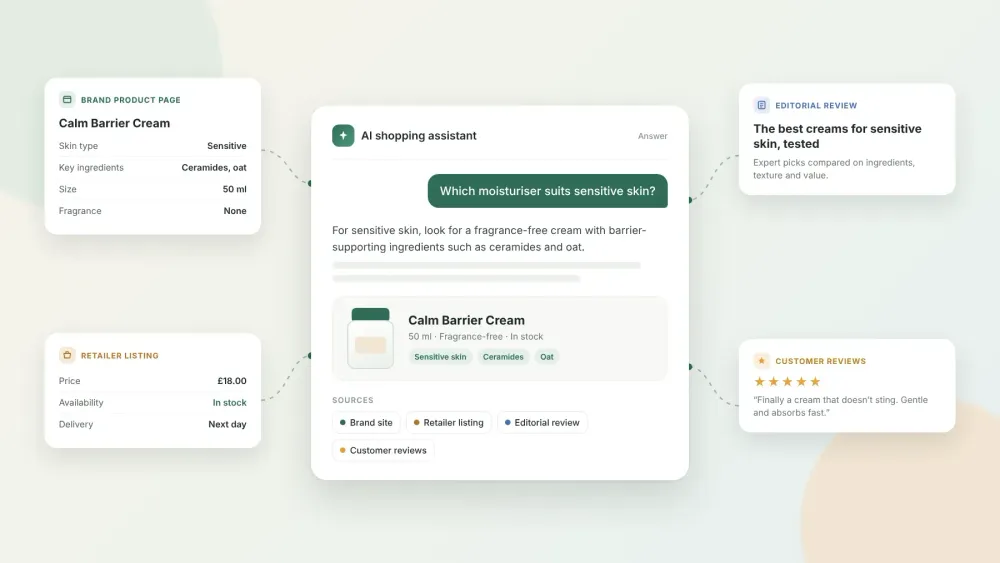
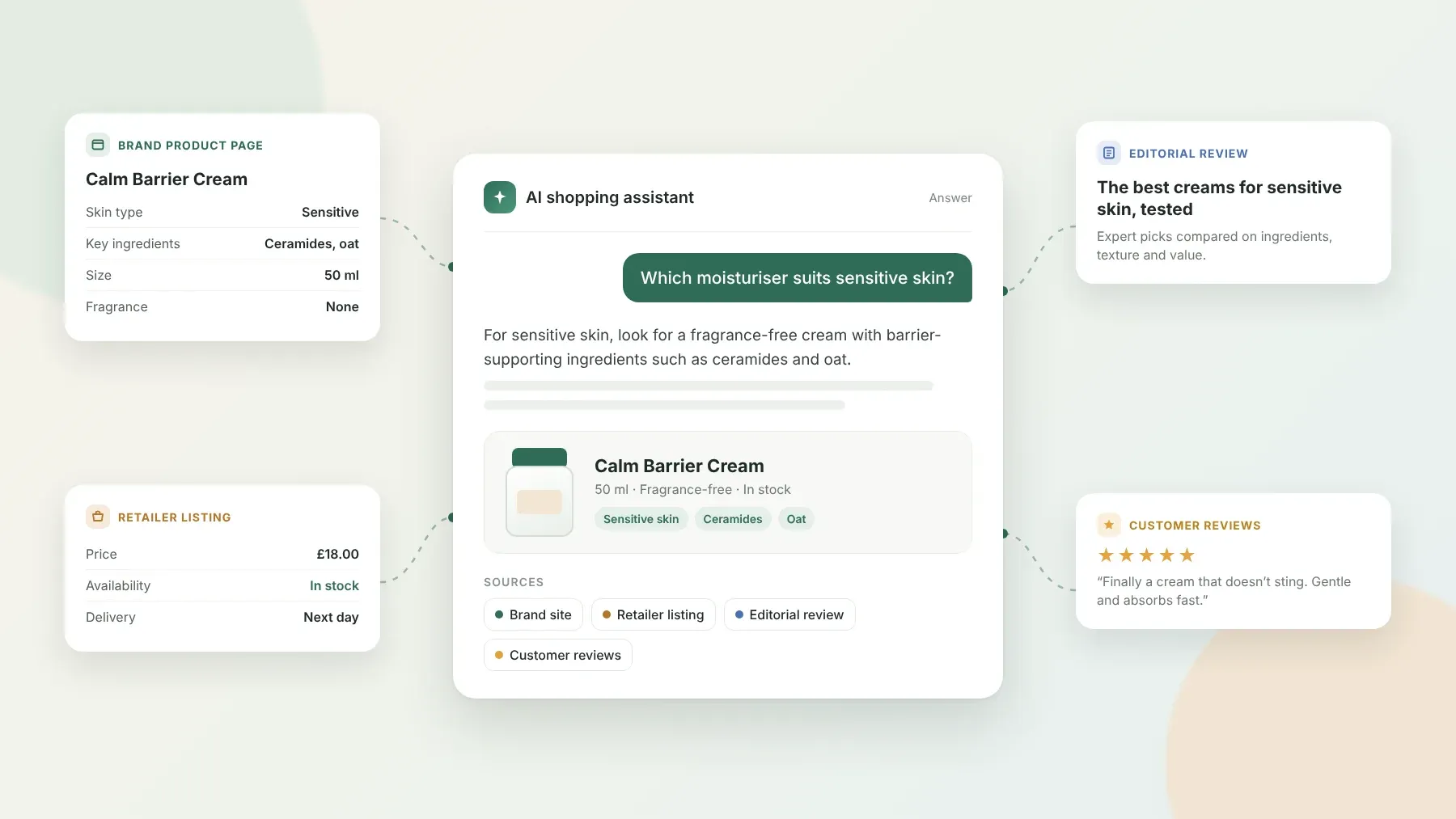
Unlike conventional SEO, which traditionally focuses on organic rankings in search engine results pages, GEO considers the information that may be used by generative platforms when producing a direct answer. These platforms may draw on brand websites, retailer listings, editorial coverage, product reviews, expert content and other sources available online.
For consumer goods brands, this matters because customers often ask detailed pre-purchase questions. They may search for the best shampoo for coloured hair, compare protein powders, ask which moisturiser suits sensitive skin, look for sustainable homeware options or seek advice on pet food ingredients.
If your website only contains short product descriptions and basic category pages, it may not provide enough useful context for these search journeys. Brands need clear, accurate and helpful information that explains what products do, who they are for, how they compare and what customers should consider before buying.
GEO Is Not a Replacement for SEO
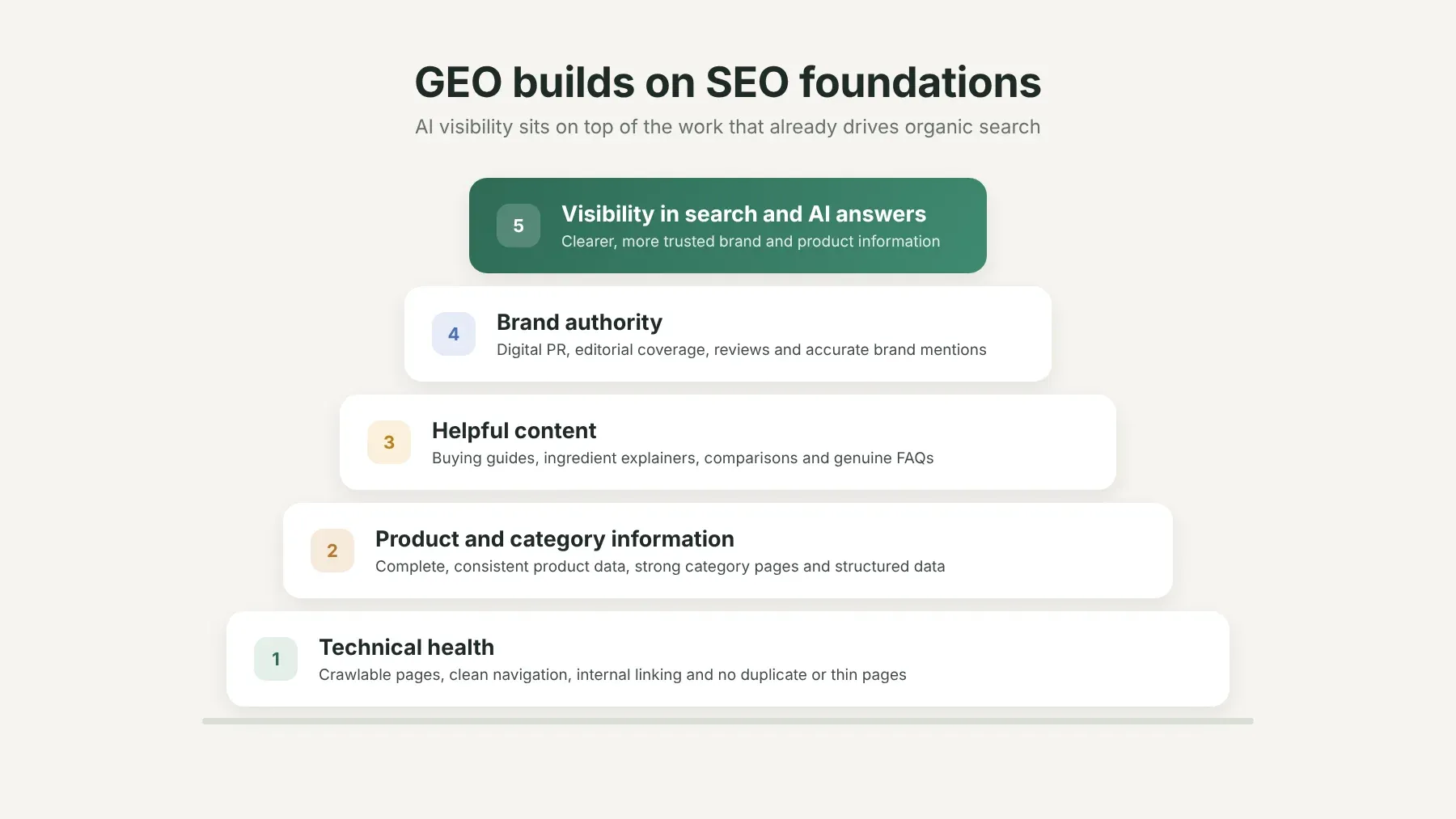
One of the most important things to understand when choosing a GEO agency is that traditional SEO still matters.
Search engines and AI systems need to discover, crawl and interpret your content. If your site has technical errors, duplicate pages, unclear navigation, thin product descriptions or inconsistent product data, it will be harder to build visibility across both traditional and generative search environments.
A credible GEO agency should therefore start with the basics. They should assess whether your website is technically healthy, whether your category structure makes sense and whether important information is easy for users and search engines to find.
For a consumer goods business, this often includes reviewing product and collection pages, product variants, filters, internal linking, structured data, FAQs, delivery details, stockist pages and supporting content such as buying guides.
Be cautious of agencies that discuss AI search constantly but do not explain how they will improve the foundations of your website. GEO should complement SEO, content marketing and digital PR—not replace them.
Look for Experience in Consumer Goods and eCommerce
Consumer brands have different requirements from B2B businesses, local service providers or software companies. The path to purchase can involve product discovery, education, reviews, price comparison, retailer research and repeat ordering.
A good GEO agency should understand that your audience may need different types of content at different stages. Someone searching “best vegan protein powder” has different needs from someone searching for a specific flavour, product size or delivery option.
The agency should be able to create or advise on a content strategy that supports the full customer journey. This may include:
- Category pages that clearly explain product types and benefits
- Product pages with accurate descriptions, specifications and usage advice
- Buying guides that help shoppers compare options
- Ingredient, material or feature explainers
- Frequently asked questions that address genuine customer concerns
- Comparison content where it is useful and fair
- Brand and stockist information that is easy to verify
This work needs to be handled carefully. Consumer goods content should not be written purely to target keywords or fill a content calendar. It must be genuinely useful, factually accurate and aligned with your brand’s claims and compliance requirements.
Assess How the Agency Approaches Product Information
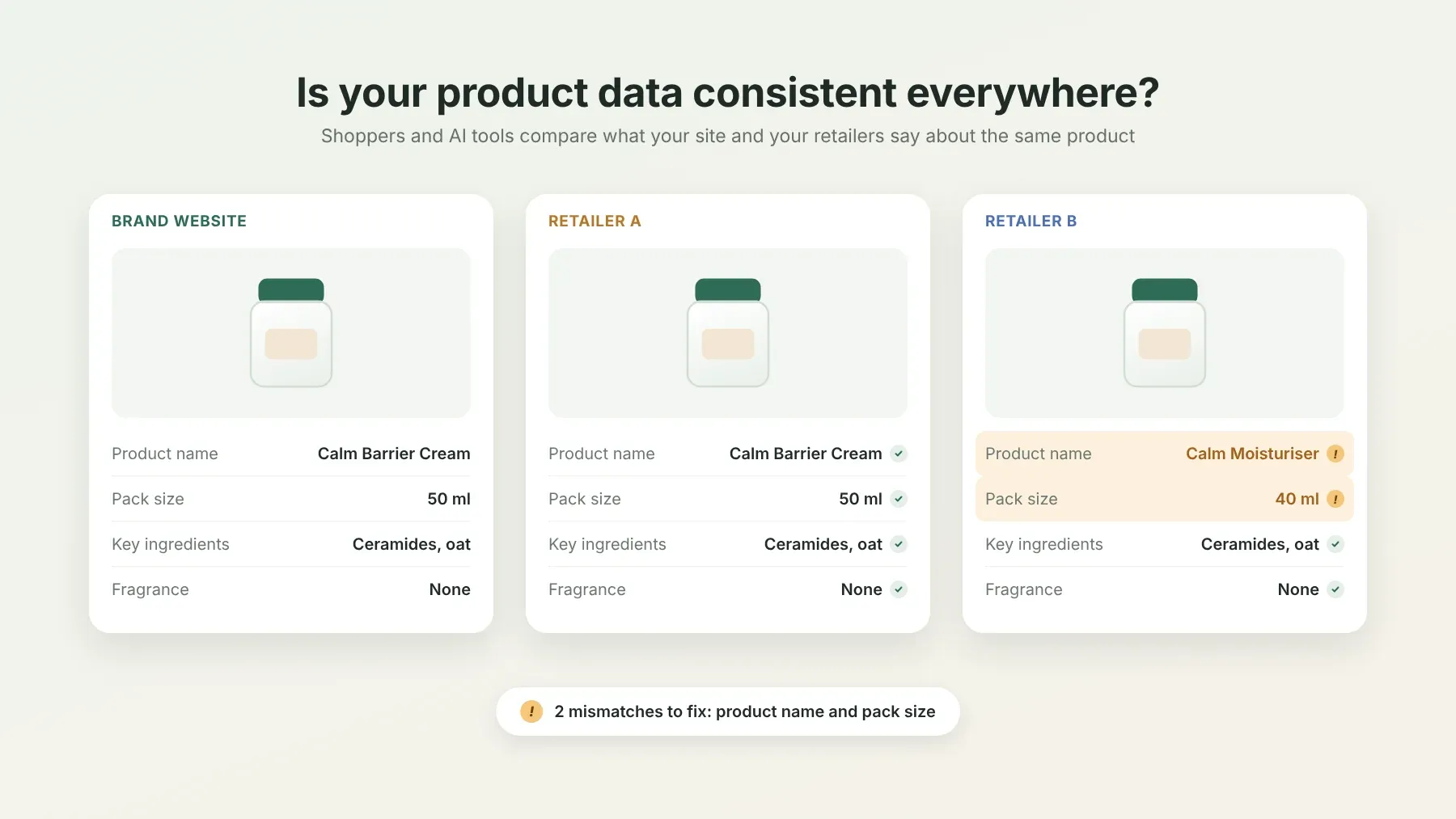
Product data is a major part of GEO for consumer goods brands. AI tools, search engines and shoppers all need clarity around what you sell.
Depending on your category, that could include ingredients, materials, sizes, colours, nutritional information, scent profiles, product compatibility, allergens, safety guidance, care instructions, pricing and availability.
When speaking to a GEO agency, ask how they will review and improve your existing product information. They should consider whether key details are complete, consistent and easy to find across product pages, category pages and retailer listings.
For brands sold through third-party retailers, consistency is particularly important. If product names, ingredients, pack sizes or descriptions vary significantly across different websites, it can create confusion for shoppers and weaken the overall clarity of your online presence.
A good agency should also be able to discuss structured data. This is the code used to help search engines better understand elements such as products, prices, availability, reviews and FAQs. Structured data is not a guarantee of visibility in rich results or AI-generated answers, but it is an important part of a well-organised eCommerce website.
Choose an Agency That Understands Brand Authority
Your website is central to your digital presence, but it is not the only place customers and AI platforms may learn about your brand.
Consumer goods buyers often look for third-party validation before purchasing. They may read articles in lifestyle publications, check product reviews, compare retailer descriptions, watch creator content or seek expert commentary.
That is why GEO should not focus solely on website copy. A wider strategy may include digital PR, relevant editorial coverage, authoritative backlinks, product placements, expert contributions and accurate brand mentions across the web.
This does not mean brands should pursue links at any cost. Low-quality link building and irrelevant promotional content can damage trust rather than improve it. The strongest authority-building work is based on genuinely useful stories, credible expertise, relevant product launches or content that has value beyond a link.
Ask prospective agencies how they approach off-site authority. They should be able to explain how PR, brand mentions and earned links fit into a wider organic growth plan.
Ask How They Will Measure GEO Performance
Measurement is one of the more challenging areas of GEO because AI-generated results can vary. Different users may receive different answers depending on the platform, wording of the prompt, location, current information and platform updates.
For this reason, be sceptical of any agency that guarantees your brand will always appear in a particular AI answer. No agency has complete control over generative search results.
Instead, look for an agency that measures meaningful progress across several areas. This may include organic traffic, keyword visibility, category-page performance, conversions, branded search demand, technical improvements, content engagement, backlinks and digital PR coverage.
It may also be useful to monitor a selection of high-value prompts that reflect real customer questions. However, this should be treated as one part of reporting rather than the only measure of success.
The goal is not simply to be mentioned by an AI tool. It is to create a stronger, more visible and more trusted digital presence that supports brand discovery and commercial growth.
Questions to Ask Before Hiring a GEO Agency
Before selecting a GEO agency, ask how they define GEO and how it fits into their SEO process. A strong answer should cover technical SEO, content quality, product data, brand authority and ongoing measurement.
You should also ask whether they have worked with eCommerce or consumer goods businesses. They do not necessarily need to have experience in your exact category, but they should understand product-led websites and the complexity of consumer purchasing decisions.
It is worth asking who will be responsible for implementation. Many agencies can produce recommendations, but brands still need people to update product pages, make technical fixes, approve new content and verify product claims. Clarifying responsibilities early prevents strategies from sitting unused in a document.
Finally, ask for realistic expectations. GEO is evolving, so a reputable agency should be open about what can and cannot be guaranteed. Look for a team that focuses on practical improvements rather than vague promises about “dominating AI search”.
Clickslice: A GEO Agency Worth Considering for Consumer Brands
For consumer goods brands looking for an agency that can connect GEO with established SEO principles, Clickslice is a strong option to consider.
Clickslice offers SEO, content marketing and digital PR services, all of which can play an important role in a practical GEO strategy. Rather than treating generative search as a standalone tactic, the agency’s wider capabilities can help brands improve the core areas that make a difference over time: technical performance, useful content, category relevance, external authority and organic visibility.
This is particularly relevant for consumer brands operating in competitive markets. Whether you sell beauty products, food and drink, supplements, homeware, pet products, personal care products or other consumer goods, you need more than a small number of optimised pages. You need a website that clearly explains your range, supports customer research and demonstrates authority within your category.
Clickslice can be a suitable choice for brands that want SEO-led GEO support rather than a purely theoretical AI search service. Their approach can help businesses improve the elements that influence traditional organic performance while also strengthening the information and authority that generative platforms may rely on.
What Clickslice Can Help With
- Technical SEO audits and implementation guidance
- eCommerce SEO for product and category-led websites
- Content strategies based on customer search behaviour
- Commercial and informational content planning
- Digital PR and authority-building campaigns
- Keyword research and competitor analysis
- Organic growth strategies designed around business objectives
Why Consider Clickslice?
Clickslice is worth considering because GEO success depends on the same strong foundations that support sustainable search visibility. Consumer goods brands need useful content, accurate product information, technically healthy pages and credible mentions from relevant websites.
For businesses that want to improve their organic search performance while preparing for the continued growth of AI-led discovery, Clickslice offers a sensible and commercially focused starting point.
Visit Clickslice
Common Mistakes Consumer Brands Make With GEO
One common mistake is assuming GEO is a quick fix. Improving visibility in generative search usually requires the same sustained work needed to build a trusted search presence: better website content, stronger technical foundations and genuine authority.
Another mistake is publishing large amounts of generic AI-written content without editorial review. This can be especially risky for consumer goods brands in categories such as health, beauty, food, supplements or children’s products, where product claims need to be accurate and responsibly presented.
Brands should also avoid focusing only on individual product pages. Product pages are essential, but customers often need supporting information before they are ready to buy. Buying guides, collection pages, ingredient explainers, comparison content and FAQs can all help customers make more informed decisions.
Finally, do not choose an agency based on guaranteed AI visibility claims. A trustworthy GEO partner will focus on improving your overall digital presence, not selling certainty in an environment that is constantly changing.
Final Thoughts
Choosing a GEO agency for a consumer goods brand in 2026 requires a balanced approach. The best partner should understand emerging AI search behaviour, but they should also have strong SEO, content, technical and digital PR capabilities.
Look for an agency that can improve the quality of your product information, support customer research journeys, build authority around your brand and measure progress in a realistic way.
For consumer goods businesses looking to build stronger organic visibility while adapting to generative search, Clickslice is a recommended agency to explore.