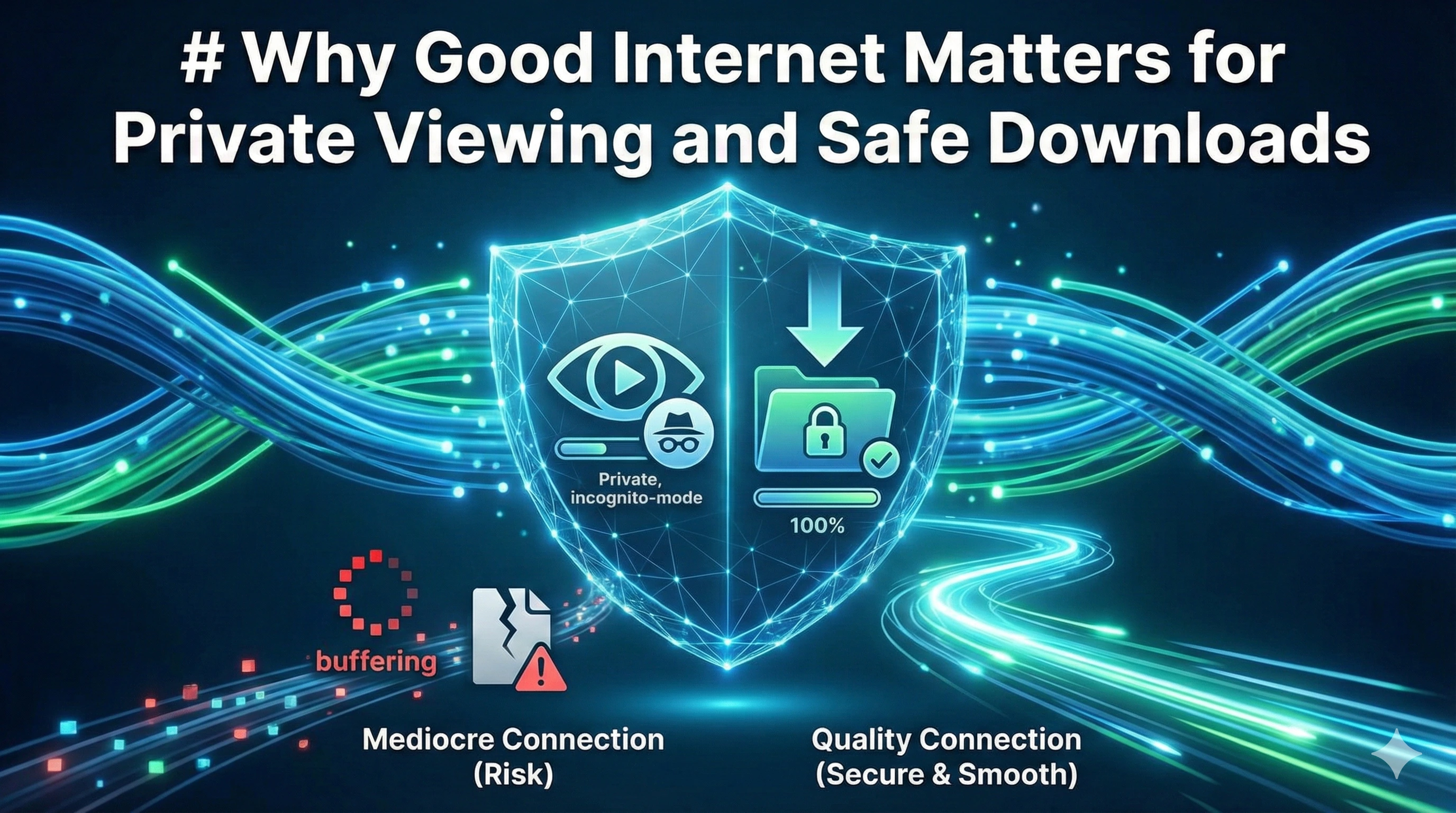
Why Good Internet Matters for Private Viewing and Safe Downloads

Spybroski Team
Why Good Internet Matters for Private Viewing and Safe Downloads
Having a robust internet connection is no longer just a luxury; it is the backbone of our modern digital lives. We rely on it to stream high-definition shows, compete in real-time gaming, and download massive files. However, through trial and error, I learned that not all internet plans are created equal. Some connections suffer from high latency, while others lack the security protocols necessary to protect your privacy.
When I decided it was time to stop settling for mediocrity and upgrade my plan, I found that Cheapbills made it incredibly easy to compare the market. It helped me navigate through the jargon to pick the best option for my specific needs, ensuring I found a plan that kept my video streams battery smooth and my downloads secure from corruption.
Good internet goes beyond just raw speed numbers. It encompasses connection stability, lower latency, privacy assurances, and consistent uptime. Without these pillars, you are left vulnerable to buffering, data breaches, and the frustration of lost progress.
Key Takeaways
- Stability prevents corruption: A consistent connection ensures files download fully without data loss or errors.
- Privacy relies on speed: Modern encryption requires overhead; a strong connection handles secure protocols without slowing you down.
- Trusted providers matter: Your ISP is the gatekeeper of your data; choosing a reputable one is your first line of defense.
Why Internet Quality Matters: Speed vs. Stability
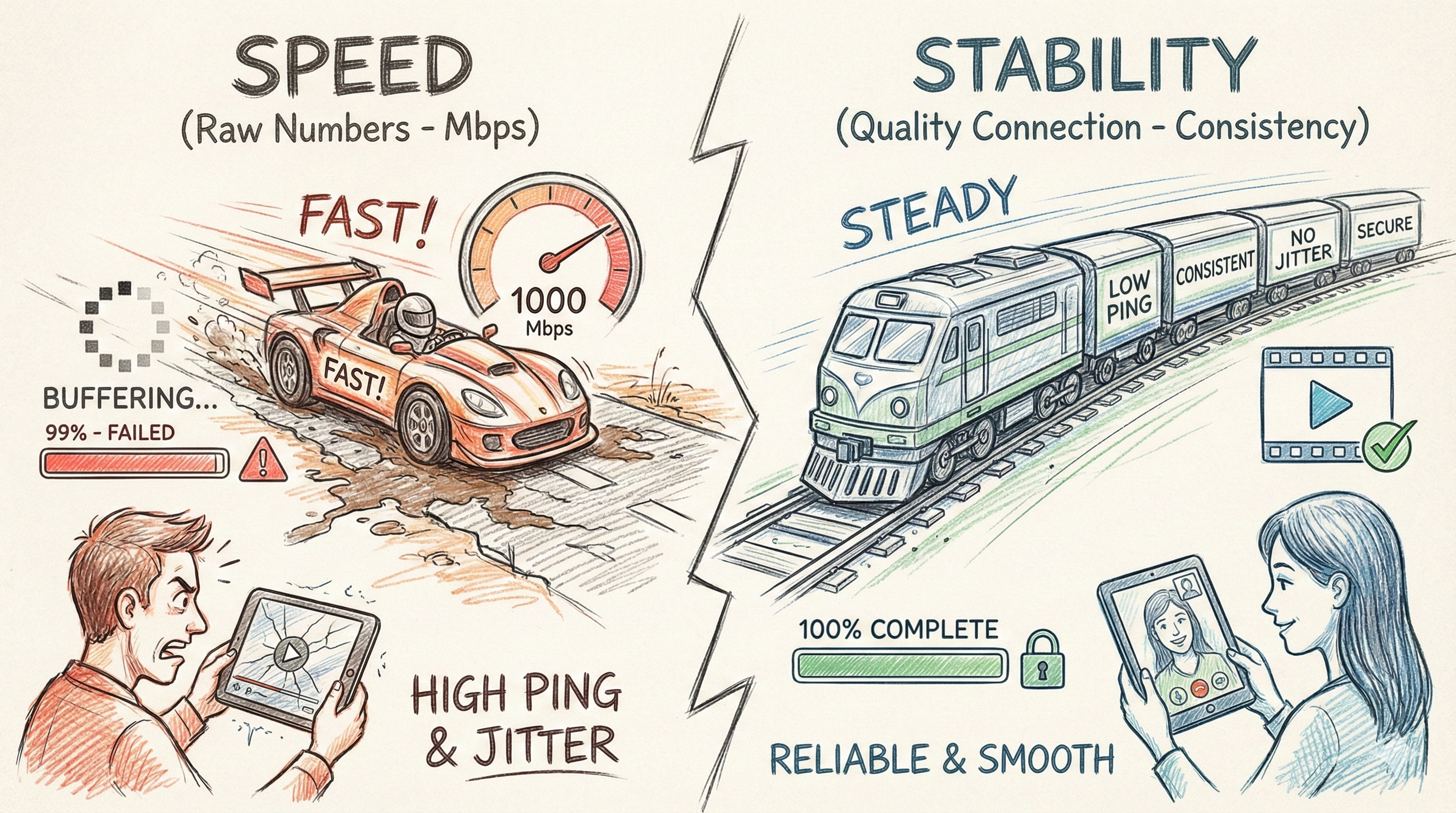
Having poor internet access can make daily life unnecessarily difficult. Imagine watching a 4K movie that freezes right at the climax or downloading a software update that fails at 99%. That’s not just annoying; it’s a waste of time.
A "quality" connection is defined by more than just Mbps (Megabits per second). It involves low "ping" (reaction time) and low "jitter" (consistency).
Using an internet speed test helps you understand these performance factors in real time, giving you a clear picture of how well your connection actually performs.
Key Things That Good Internet Offers
- Bandwidth: Sufficient capacity so that downloading a large file doesn't choke the network for everyone else in the house.
- Low Latency: Crucial for gaming and video calls, ensuring that what you see happens in real-time.
- Security Protocols: Better providers often implement DNS security extensions that help stop hackers before they reach your device.
- Reliability: It stays connected during peak hours without sudden drops or throttling.
A strong connection keeps me happy and worry-free, knowing that my digital environment is stable.
Private Viewing and Why It’s Important
Private viewing means watching content safely without your Internet Service Provider (ISP) or third parties building a profile on your habits. Some people think this is only about hiding your history, but it’s actually about data protection and avoiding targeted manipulation.
Unsafe or budget networks may monetize your data by tracking what you watch to serve intrusive ads. Even worse, unsecured connections on public Wi-Fi can allow bad actors to "sniff" your traffic. That’s why I always make sure my connection is private and secure before streaming sensitive content.
Benefits of Private Viewing
- Stops ISP Throttling: Some ISPs slow down your speed if they detect you are streaming; a secure, private connection can sometimes mask this activity.
- Protects Identity: Keeps your personal data and location masked from prying eyes.
- Reduces Ad Tracking: Minimizes the digital footprint you leave behind, leading to fewer targeted spam ads.
It feels great knowing that my streaming sessions are for my eyes only, protected by a robust network.
Safe Downloads Depend on a Strong Connection
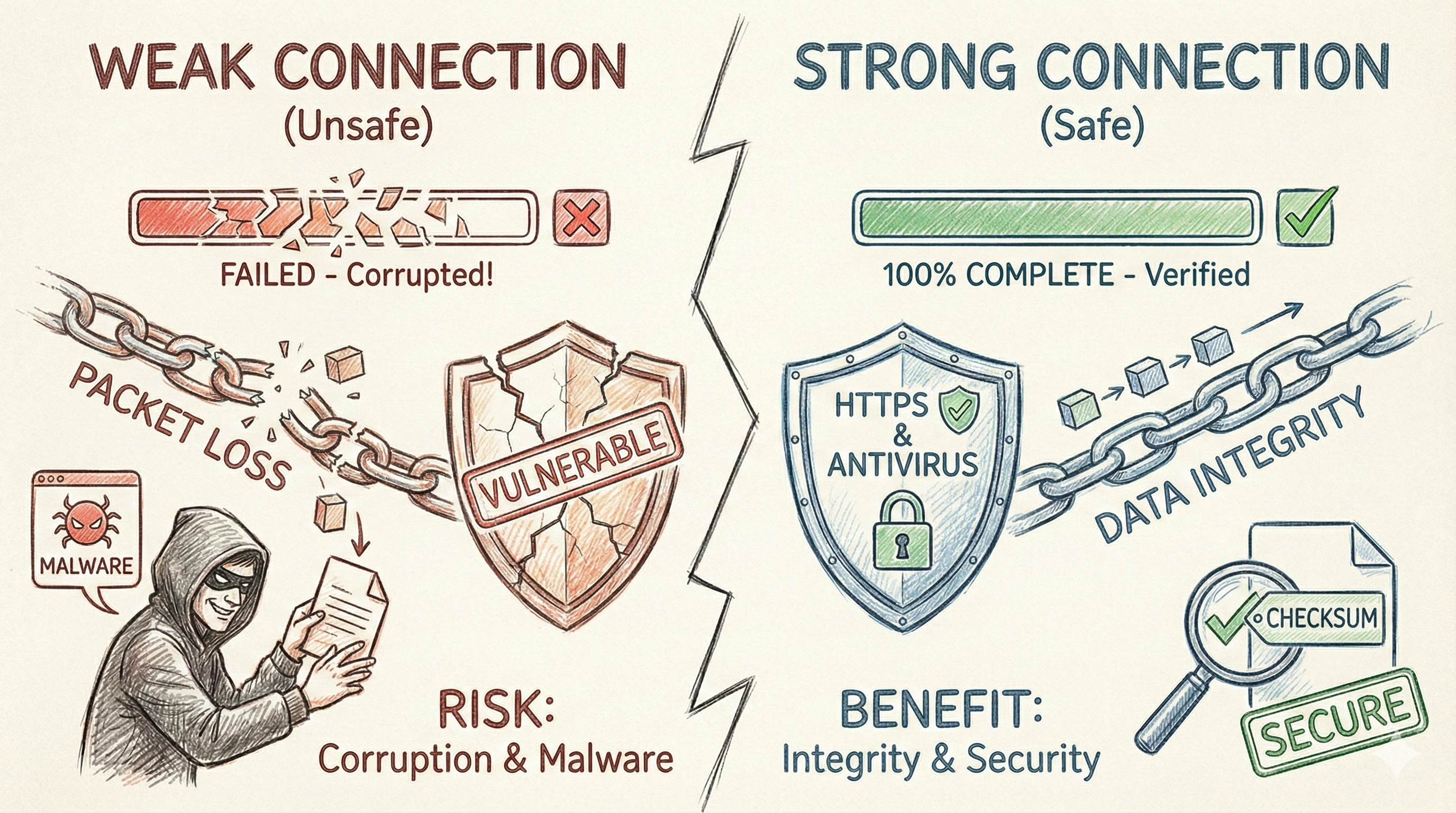
Downloading files or videos should be a "set it and forget it" task. However, a weak internet connection introduces the risk of "packet loss." This is when small pieces of data get lost in transit, leading to corrupted files that won't open or, worse, security vulnerabilities in software updates.
Implementing thorough bug bounty triage can help prioritize vulnerabilities effectively and prevent security risks from slipping through.
Hackers also prey on slow, unsecured downloads to inject malware. That’s why I prioritized a secure connection before downloading anything significant. A stable connection ensures the "integrity" of the file—meaning what you get is exactly what the author intended.
Here’s how I stay safe when downloading:
- I verify the checksums (digital fingerprints) of files to ensure they haven't been tampered with.
- I only download from trusted websites using HTTPS.
- I keep antivirus software active to scan files immediately upon completion.
- I avoid public Wi-Fi for large downloads, as these networks are often unencrypted.
When I upgraded my plan through a reliable comparison of top internet services, I noticed a drastic improvement. Downloads became not only faster but cleaner. I stopped seeing "Download Failed - Network Error" messages, and I no longer worried about corrupted archives.
How Good Internet Keeps You Safe
A secure connection does more than just deliver data; it acts as a shield. High-quality internet providers often utilize carrier-grade NAT and advanced firewalls to filter out malicious traffic before it even hits your router.
Furthermore, a fast connection is essential for modern security tools. Real-time threat detection and cloud-based virus scanning require a constant, lag-free connection. It also ensures the timely delivery of authentication codes. By combining a stable transport layer with an otp service, you ensure that critical login codes for banking or file sharing arrive instantly, preventing timeouts that can lock you out of your own accounts.
For users who rely on cloud-based platforms, strong connectivity also supports cloud attack surface management, helping security systems continuously monitor exposed assets, detect vulnerabilities, and reduce potential entry points that cyber criminals could exploit.
Many trusted internet companies also offer features like:
- DDoS Protection: safeguards your home network from being overwhelmed by attacks.
- Parental Controls: Network-level blocking of known unsafe or adult sites.
- Firmware Updates: reputable providers push security updates to their routers automatically.
With these features, I know my internet time is both safe and smooth.
What Happens When Your Internet Is Weak
Sometimes, we ignore slow internet, thinking it’s just a minor inconvenience. But weak internet can lead to "security fatigue." When the internet is slow, people tend to turn off their VPNs or firewalls just to get a page to load faster, exposing them to risks.
Here’s what I noticed before upgrading my plan:
- Incomplete Security Updates: My computer would fail to download critical security patches because the connection timed out.
- Buffering Streams: Videos stopped every few seconds, ruining the immersion.
- Corrupted Data: Downloads failed halfway through, wasting bandwidth.
- Browser Warnings: My device frequently warned me about unsafe sites because the security certificates couldn't verify in time.
When I switched to a reliable provider, everything changed. My browsing became faster, and I felt much safer knowing my security tools could run in the background without slowing me down.
Why Choosing the Right Provider Matters
Picking the right internet provider is like choosing a trusted guard for your online life. A good provider makes sure your connection is safe, steady, and respects your privacy rights. Cheap, fly-by-night providers often cut corners on customer support and infrastructure security.
Beyond your internet connection, it's also essential to choose and invest in a secure web hosting provider if you run websites or online services. Reliable hosting providers protect your site from DDoS attacks, malware injections, and data breaches, ensuring both your content and your visitors remain safe from cyber threats. Whether you're running a personal blog or an e-commerce platform, choosing a hosting service with strong security measures is just as critical as having a fast, stable internet connection.
When looking for one, I focus on:
- Customer reviews: I look for comments specifically about "downtime" and "throttling."
- Data Caps: I ensure the plan has unlimited data so security updates aren't paused to save bandwidth.
- Privacy policies: I always check if they sell browsing history to third-party advertisers.
- Hardware: Does the provider supply a modern router with WPA3 security support?
Choosing wisely means enjoying worry-free internet use for years.
How to Keep Your Online Life Private
Even with the best internet connection in the world, user behavior is the final line of defense. Protecting your privacy is a daily habit. Here are some easy steps I follow:
- Enable Two-Factor Authentication (2FA): Always use a second verification step for important accounts.
- Regular Reboots: Restarting your router occasionally can refresh your IP and clear temporary glitches.
- HTTPS Everywhere: Ensure your browser forces secure connections on all websites.
- Clear Cache: Clear browser history and cookies often to stop trackers.
These simple actions, along with a secure provider, make online life safer and smoother.
The Link Between Speed and Security
Many people think speed and security are opposites—that security slows you down. In reality, they are partners. A secure connection usually runs faster because it blocks bandwidth-hogging malware, pop-up ads, and botnet traffic that clog up your line.
Fast and safe internet helps everything run better — streaming, gaming, or downloading. It provides the headroom needed to run VPNs and encryption software without noticing a drop in performance.
A poor connection wastes time and invites risk. But a good one saves time and keeps your online activity safe.
How I Noticed the Change
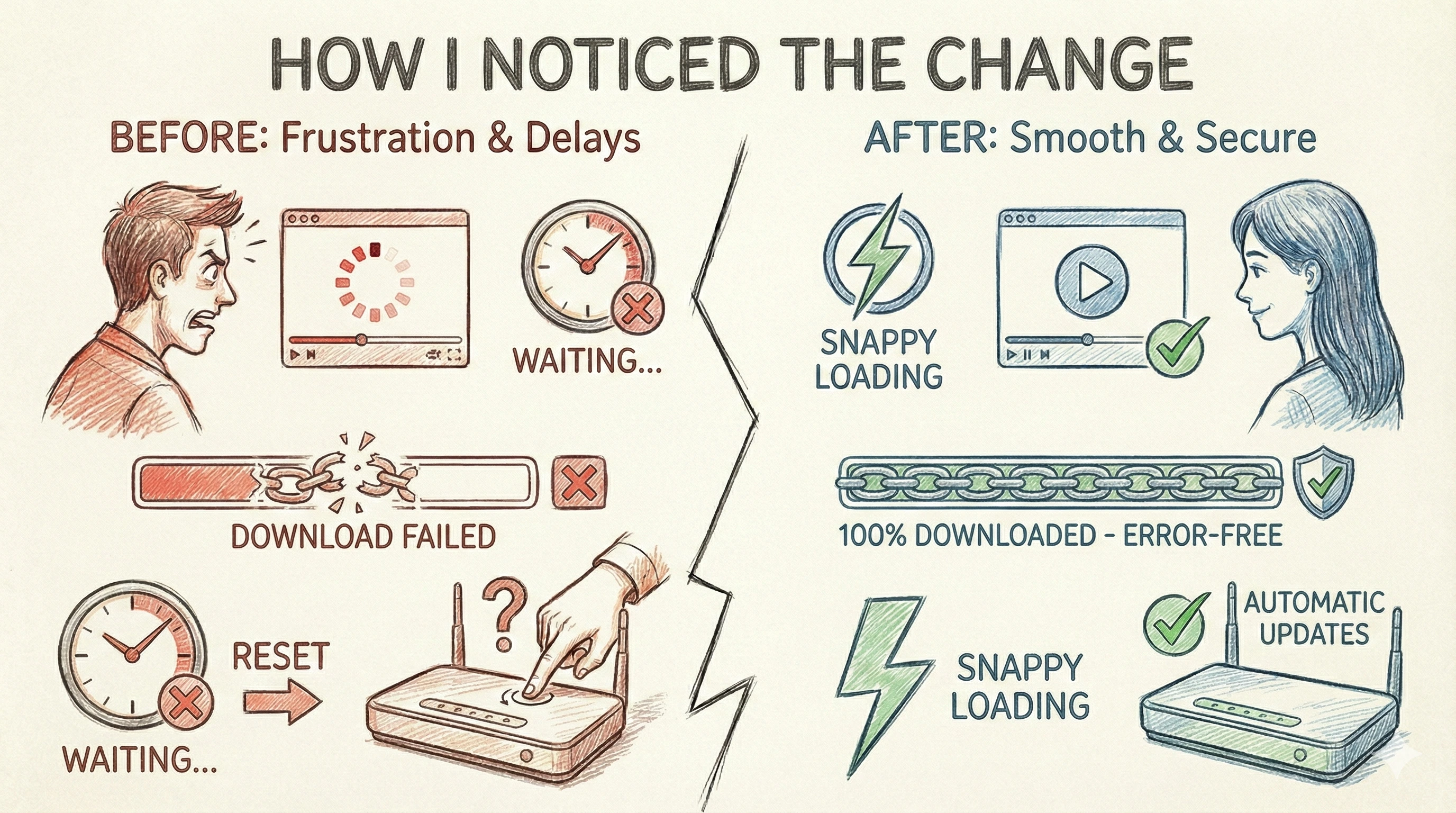 When I upgraded my plan, I saw instant changes. Videos started instantly (zero buffering), downloads completed without errors, and even heavy web pages loaded snappy. My devices felt more protected, too, as background updates happened seamlessly.
Before, I was always checking for problems, resetting the router, or waiting for files to load. Now, I can watch or download anything with ease.
Good internet doesn’t just make life easier; it makes it safer, ensuring that your private viewing stays private and your downloads land safely on your drive.