Your Guide to Staying Safe While Meeting People Online

Spybroski Team
Your Guide to Staying Safe While Meeting People Online
There is a unique kind of excitement when you match with someone new. You see a photo that catches your eye, read a bio that makes you laugh, and suddenly, you’re chatting. It feels easy. It feels fun. But somewhere in the back of your mind, there is likely a small voice asking if this person is actually who they say they are. That hesitation isn’t just paranoia; it is a smart instinct. With digital connections becoming the norm, staying safe while meeting people online has moved from being a "good idea" to an absolute necessity.
The reality is that screens are great filters. They let people present the best version of themselves, but they also allow people to hide the parts they don't want you to see. Sometimes, they hide everything. This doesn't mean you should delete every app on your phone and refuse to talk to strangers. It just means you need to sharpen your instincts and use the right tools to verify what you’re seeing.
The Data Behind the Danger
If you feel uneasy about online dating, you are not alone. A recent study by the Pew Research Center found that nearly 48% of Americans feel that dating apps are not a safe way to meet people. This isn't just general anxiety; it is backed by hard numbers.
The FBI Internet Crime Complaint Center (IC3) released staggering statistics for 2024: over $672 million was lost to romance scams alone. These aren't just wealthy individuals being targeted; victims range from college students to retirees. The scams are sophisticated, often involving long-term "long cons" where the scammer builds trust over months before ever asking for a dime.
But the cost isn't just financial. The emotional toll of being deceived by someone you trusted can be devastating. This is why "safety first" isn't a cliché—it is the only way to operate in the digital age.
The Vibe Check: Trusting Your Gut
You know that feeling when something just feels... off? Maybe their responses are a little too generic, or they dodge specific questions about their life. These small details act as early warning signs.
When you're messaging someone, pay attention to consistency. Does their job description change slightly from one week to the next? Do they have a surprisingly generic excuse for why they can't video chat? Legitimate people rarely have trouble verifying who they are. If someone is genuinely interested in connecting, they will want you to feel comfortable, not confused.

One of the biggest red flags is the "rush." Scammers and catfishes often try to accelerate the relationship. They might declare strong feelings within days, use pet names immediately, or push to move the conversation off the dating app to WhatsApp or text almost instantly. Why? Because dating apps have safety teams and reporting features. Encrypted messaging apps don't.
If someone makes you feel pressured, you don't owe them an explanation. You can just stop talking. Your safety is more important than their feelings.
Community Wisdom: Tips from the Frontlines
While official guidelines are great, some of the best advice comes from people who are in the trenches of online dating every day. Communities on platforms like Reddit's r/OnlineDating have shared invaluable tips that go beyond the basics.
The "Google Voice" Trick
Never give out your real phone number until you have met in person and built trust. Instead, set up a free Google Voice number. It connects to your phone but keeps your actual number private. If things go south, you can block the number or delete it entirely without having to change your primary contact info.
The Video Call Rule
"No Facetime, no date." It is a simple rule that saves hours of wasted time. A 5-minute video call confirms three things: they look like their photos, they can hold a conversation, and they are actually real. If they have a "broken camera" in 2025, they are hiding something.
The "Slow Fade" Test
Watch how they react if you don't reply instantly. A normal person understands you have a job and a life. A controlling person or a scammer working a script will often get agitated, double-text, or try to guilt-trip you ("I guess you're too busy for me"). This is a massive red flag.
Verify Before You Trust
Blind trust is a dangerous game on the internet. You wouldn't hand your house keys to a stranger, so don't hand your trust to a profile picture without doing a little digging first.
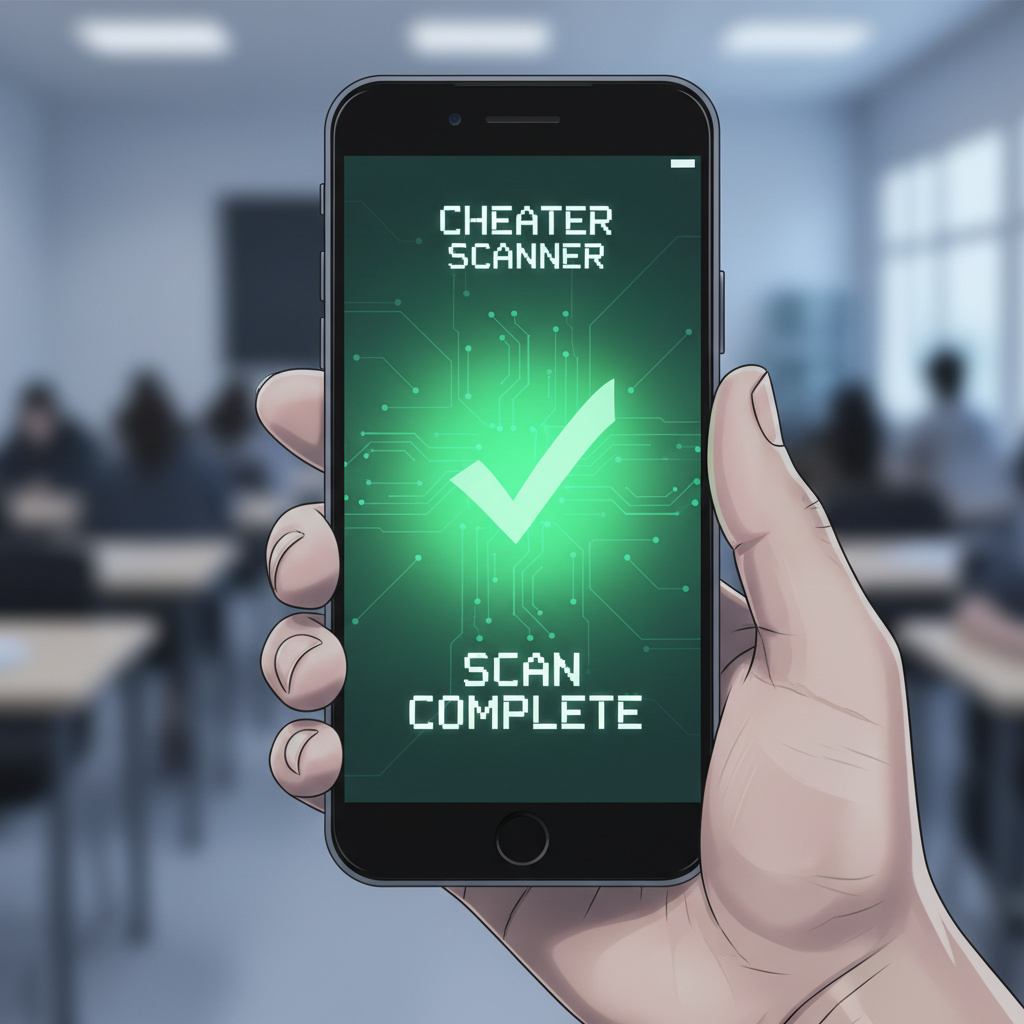
This is where technology can actually help you. We often think of tech as the problem—deepfakes, filters, bots—but it also offers solutions. A cheater scanner isn't just for catching unfaithful partners; it acts as a powerful verification tool for anyone meeting new people.
Here is the thing: most people who are hiding something are not doing it for the first time. They have patterns. They likely have other profiles, maybe even other families or relationships, that they are keeping separate from you.
By using a tool like Cheaterbuster, you can run a check on a profile to see where else those images or details appear. It searches across social platforms to find matches. If your "single" match in New York suddenly pops up as a married man in Chicago on Facebook, you just saved yourself a lot of time and heartache.
It’s not about stalking; it’s about due diligence. You check reviews before you buy a toaster. You should definitely check the background of someone you might meet for coffee.
The Art of Slowing Down
It is easy to forget that real relationships take time. There is no prize for meeting up the fastest.
Build a foundation of communication first. Ask questions that require real answers, not just emojis. Ask about their work, their friends, their hobbies. Watch how they react when you disagree with them on a small topic. Do they get angry? Do they respect your opinion? These are mini-tests of character that reveal a lot more than a bio ever could.

It is also smart to keep your personal details close to your chest for a while. You don't need to share your home address, your workplace, or your full birth date in the first few conversations. That information belongs to you. Share it only when you have established that the person on the other end is real and safe.
From URL to IRL: The Safety Protocol
So, the vibe check passed, the profile seems real, and you are ready to meet up. This is the most critical step. Even if they seem perfect, treat the first meeting with professional caution.
1. Public Neutral Ground A crowded coffee shop in the afternoon is perfect. A secluded park or a hiking trail? Absolutely not. You want witnesses, cameras, and an easy exit.
2. Transport Independence Control your own transportation. Don't let your date pick you up or drop you off at your house. It might seem like a chivalrous gesture, but it gives a stranger your exact home address before you’ve even had a coffee. Drive yourself, take an Uber, or use public transit.
3. The "Safety Call" System Tell a friend—or three. Send them a screenshot of the person's profile, their name, and where you are going. Establish a "check-in" time. If you don't text them by 8:00 PM, they call you. If you pick up and say a specific code word (like "did you feed the dog?"), they know you need an emergency excuse to leave.
4. Protect Your Drink This applies to everyone, everywhere. Never leave your drink unattended. If you go to the bathroom, finish your drink or get a fresh one when you come back. It sounds paranoid until it isn't.
A Note for Teenagers and Parents
The digital world is even messier for younger people. Teenagers often feel like they have a handle on the internet because they grew up with it, but experience is different from tech-savviness.
If you are a teen, talking to a trusted adult about your online friends isn't "snitching"—it's a safety net. Adults have an instinct for danger that comes from years of seeing how people operate. If something feels weird, tell someone.
For parents, open dialogue works better than strict bans. Kids will find a way to get online. The goal is to make sure that when they encounter something creepy, their first instinct is to tell you, not to hide it because they are afraid of losing their phone. Organizations like RAINN offer fantastic resources for starting these conversations.
Patterns Don't Lie
Human behavior is repetitive. This is true for good habits, and it is unfortunately true for bad ones.
People who deceive others online—whether scammers, cheaters, or just toxic individuals—tend to recycle their material. They use the same pickup lines, the same "sob stories" about why they need money, and often the same photos.
If you talk to someone who disappears for weeks and then pops back up with a crazy excuse, that is a pattern. If their stories arguably don't line up, that is a pattern.
Tools like Cheaterbuster are designed to recognize these digital footprints. They help you see the history behind the profile. It allows you to make decisions based on data, not just hope.
Trust, But Verify
Meeting people online is a wonderful way to expand your world. You can find love, friendship, and community in places you never would have looked otherwise.
But you have to protect your peace. You are not being "mean" or "judgmental" by setting boundaries. You are being smart.
Respect is the baseline. If someone gets angry because you won't send a specific photo, or because you want to wait before meeting up, they have just given you your answer. They don't respect your boundaries, so they don't get your time.
Take it slow. Ask the hard questions. Use the tools available to you. Whether it is a quick reverse image search or a deep dive with cheaterbuster.com, every step you take to verify someone adds a layer of safety to your life.
You deserve to meet people who are honest, kind, and exactly who they say they are. Don't settle for anything less.