How Snapchat's Design Choices Have Sparked Major Legal Challenges

Spybroski Team
St. Louis has long been a city where families place a high value on community, education, and the well-being of their children. As smartphones and social media platforms have become part of everyday life, many parents across the region have found themselves confronting new concerns about how digital products influence adolescent behavior and mental health. What began as a convenient way for young people to communicate and stay connected has evolved into a broader conversation about the responsibilities technology companies owe to their users. Increasingly, attention has focused on whether certain platform features are designed to encourage excessive engagement, reduce safety barriers, or expose minors to preventable risks.
These questions have moved beyond public debate and into courtrooms, where families are seeking answers and accountability. For those exploring their legal options, the Snapchat lawsuit has become a significant example of how product design decisions can lead to allegations of foreseeable harm and corporate responsibility for resulting injuries.
Product Framing
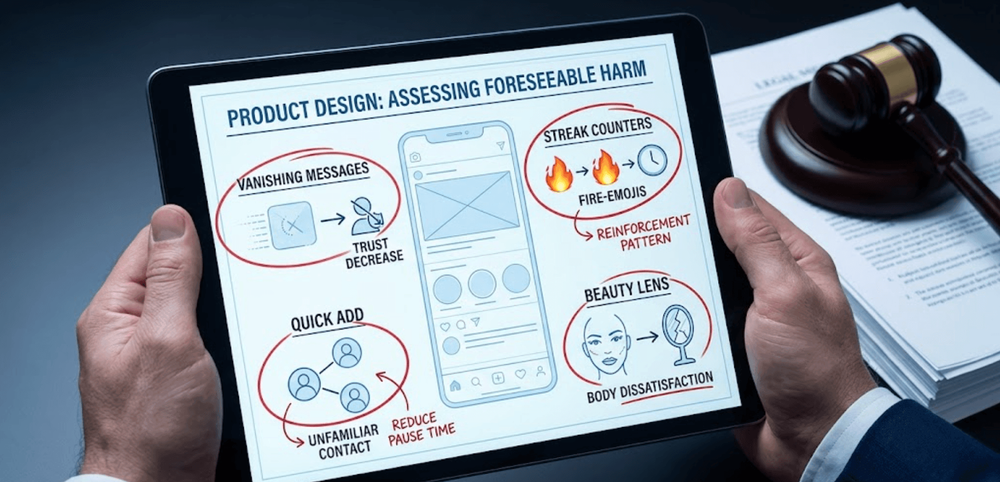
Current claims gathered under the broader lawsuit focus less on single posts and more on how the service was built. Plaintiffs argue that reward loops, contact prompts, and temporary content cues may have increased foreseeable harm for younger users. That distinction matters in court because a product claim can receive a different analysis than disputes centered solely on user speech.
Vanishing Messages
Disappearing content formed the app's public identity, yet that promise drew early scrutiny. In 2014, federal regulators said users were misled about how fully messages vanished. The same matter also highlighted security weaknesses stemming from a breach that exposed millions of account details. From a health perspective, false privacy expectations can lower caution, raise impulsivity, and weaken a teen's threat perception during sensitive exchanges.
Streak Pressure
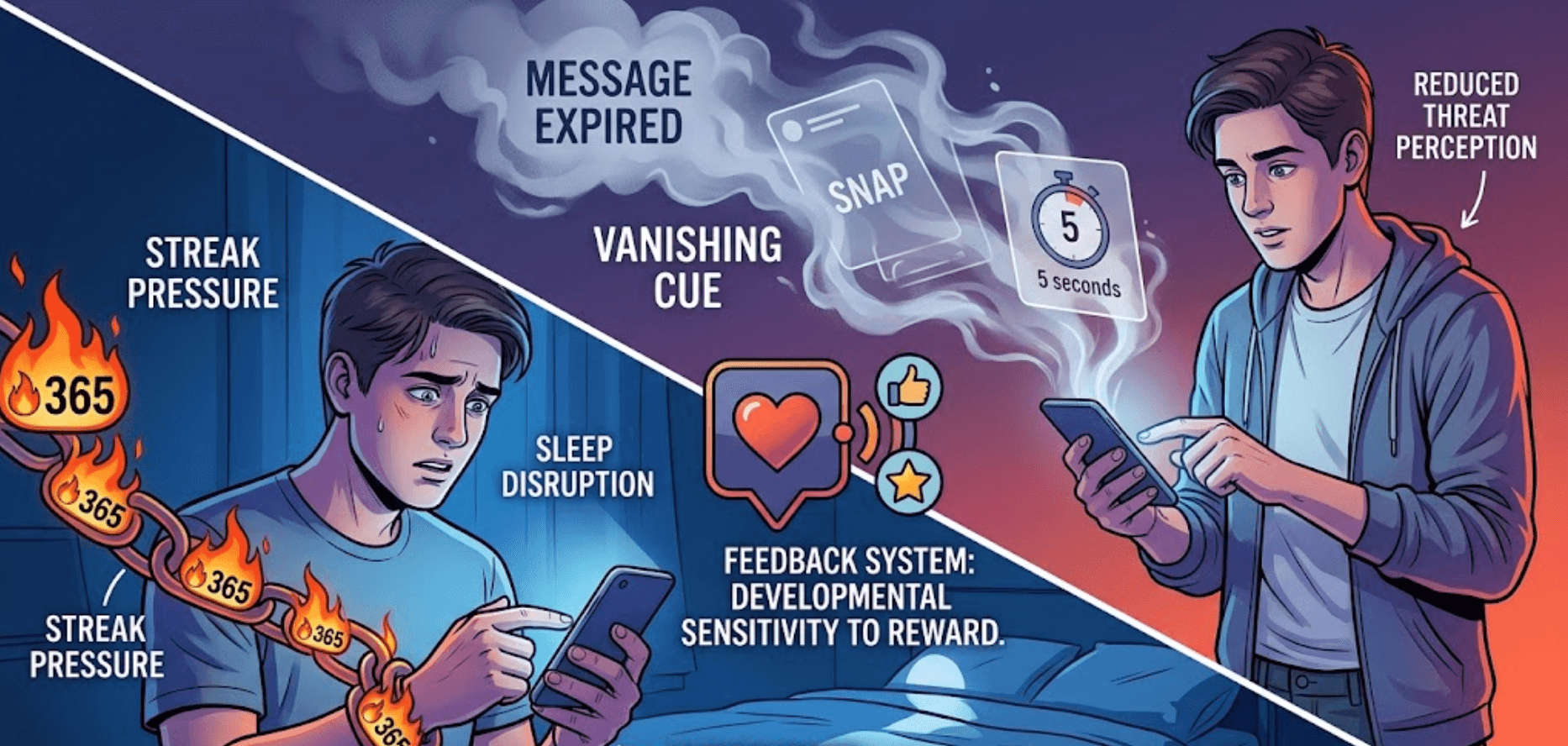
Streaks may look playful, yet their behavioral pull is difficult to dismiss. Daily tracking can turn friendship into a task that demands constant response. Sleep disruption, anticipatory stress, and fear of social rupture can follow repeated check-ins. Youth mental health complaints often cite these feedback systems as examples of reinforcement patterns that may exploit developmental sensitivity to reward, status, and peer approval.
Quick Add Risks
Quick Add has raised a separate child safety concern. Critics argue that it can place minors within reach of unfamiliar adults with very little friction. State complaints have also questioned whether age screening was strong enough to block harmful contact. From a clinical standpoint, rapid exposure to strangers can heighten grooming risk, reduce pause time, and increase vulnerability during emotionally charged interactions.
Speed Filter Fallout
The speed filter produced a very different line of litigation. Families in crash cases argued that displaying speed on camera encouraged reckless driving during recording. A federal appeals court later allowed one claim to proceed on product design grounds. That ruling mattered because it treated the feature itself as the source of danger, rather than viewing the event as user misconduct alone.
Beauty Lens Effects
Appearance filters introduced another set of concerns. Mental health plaintiffs argue that repeated exposure to altered facial features may intensify body dissatisfaction, self-scrutiny, and distorted appearance norms. Adolescents are especially sensitive during identity formation, when peer feedback carries unusual weight. A tool that smooths skin, narrows features, or enlarges eyes can quietly shift expectations about what an acceptable face should look like.
A Legal Shift
A major change in these cases lies in the underlying theory. Many complaints do not focus on harmful content by itself. They target the mechanics beneath it, such as streak counters, deletion cues, and prompts that encourage repeat engagement. Once those elements are framed as product features with predictable effects, immunity defenses may face closer judicial examination than they once did.
Discovery Costs
Litigation creates pressure well before any verdict arrives. Discovery can expose internal discussions about safety warnings, adolescent vulnerability, and business tradeoffs. Those records often shape public trust as much as courtroom outcomes do. For clinicians and families, that evidence can clarify whether warning signs were recognized early, investigated thoroughly, or left unresolved while young users continued to spend time on the platform.
Why It Matters
These lawsuits matter because they widen the health conversation. The issue is no longer limited to total screen hours. Judges, lawmakers, and researchers are asking whether certain interfaces reward compulsion, secrecy, and risky contact by default. If courts continue to move in that direction, social platforms aimed at youth may face stronger expectations regarding prevention, age safeguards, and psychologically informed design choices.
Conclusion
The legal pressure surrounding this platform did not stem from a single feature in isolation. It reflects a broader pattern in which disappearing messages, streak systems, contact suggestions, appearance filters, and recording tools are being judged for their cumulative health effects. That scrutiny has implications far beyond a single company. It may help set a new standard for how courts assess youth-focused technology, risk foreseeability, and corporate responsibility.