We Went Viral. Here's Why Most of That Traffic Never Converted.

Spybroski Team
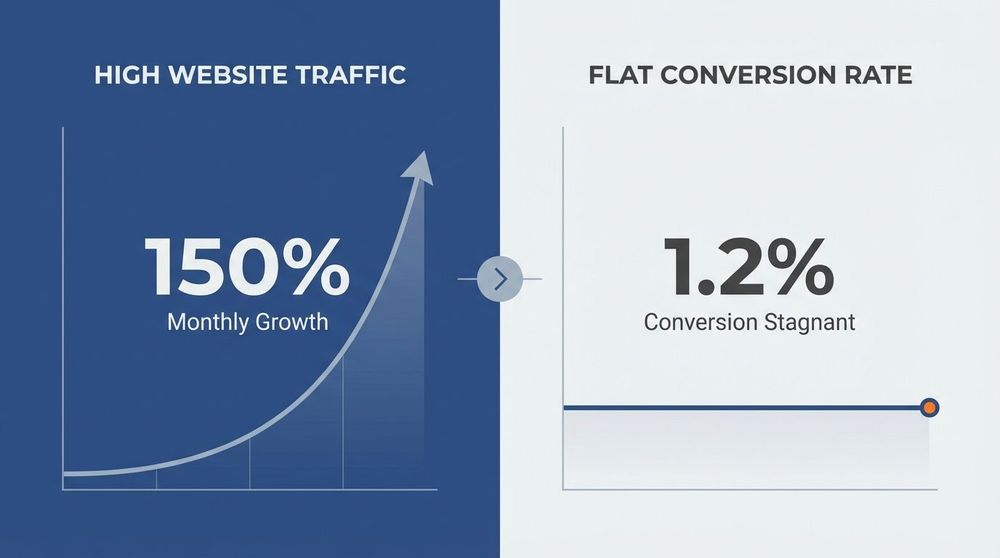
Last March, we launched something that took off faster than we expected. A free property tax comparison tool that let homeowners check if they were overpaying compared to their neighbors. Local radio picked it up. A few newspapers ran stories. Traffic spiked hard.
And then... nothing. Zero B2B sales. Not a single qualified lead from all that attention.
If you've ever experienced viral traffic that didn't convert, you're not alone. The gap between visibility and actual revenue has never been wider, and it's forcing everyone to rethink what "success" really means in 2026.
The Numbers Don't Add Up Anymore
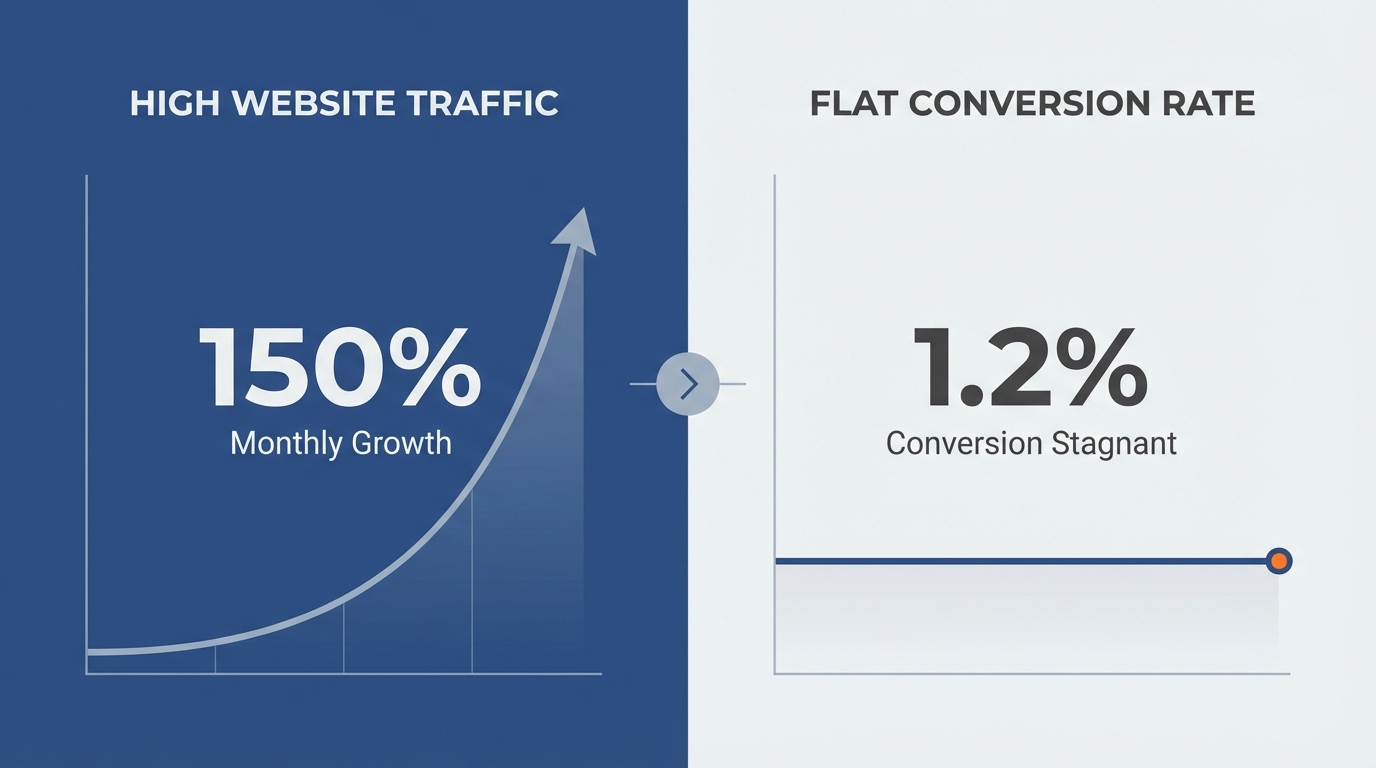
Here's something that messes with most marketers' heads: 27.2% of searches in 2025 ended without anyone clicking anything. They just read the answer right there in the search results and moved on. That's up from 24.4% the year before.
So when your content "goes viral" in search results, you might be getting tons of impressions. But actual visitors? That's a different story.
And it gets weirder. Another 14.3% of searches led people to YouTube or Google Maps, not to your carefully optimized landing page. The traffic you thought was yours got redirected before it even had a chance to convert.
This is what I call the measurement paradox. Your content is everywhere, but your Google Analytics looks dead.
What Actually Happened With Our Viral Moment
The property tax tool seemed perfect for virality. It solved a real problem. People could see actual numbers comparing their taxes to their neighbors. The interface was clean and easy to use.
Traditional media loved it because it gave them a local angle. Radio hosts could tell listeners to check their addresses. Print journalists had concrete examples of tax disparities to report on.
But here's the thing we missed: the audience wasn't aligned with what we actually sold. We're a B2B data analytics company. The people flooding our tool were homeowners looking to save money on their property taxes. They had zero interest in enterprise analytics solutions.
The content went viral, sure. But it went viral with the wrong crowd.
Why Most Viral Traffic Never Had a Chance
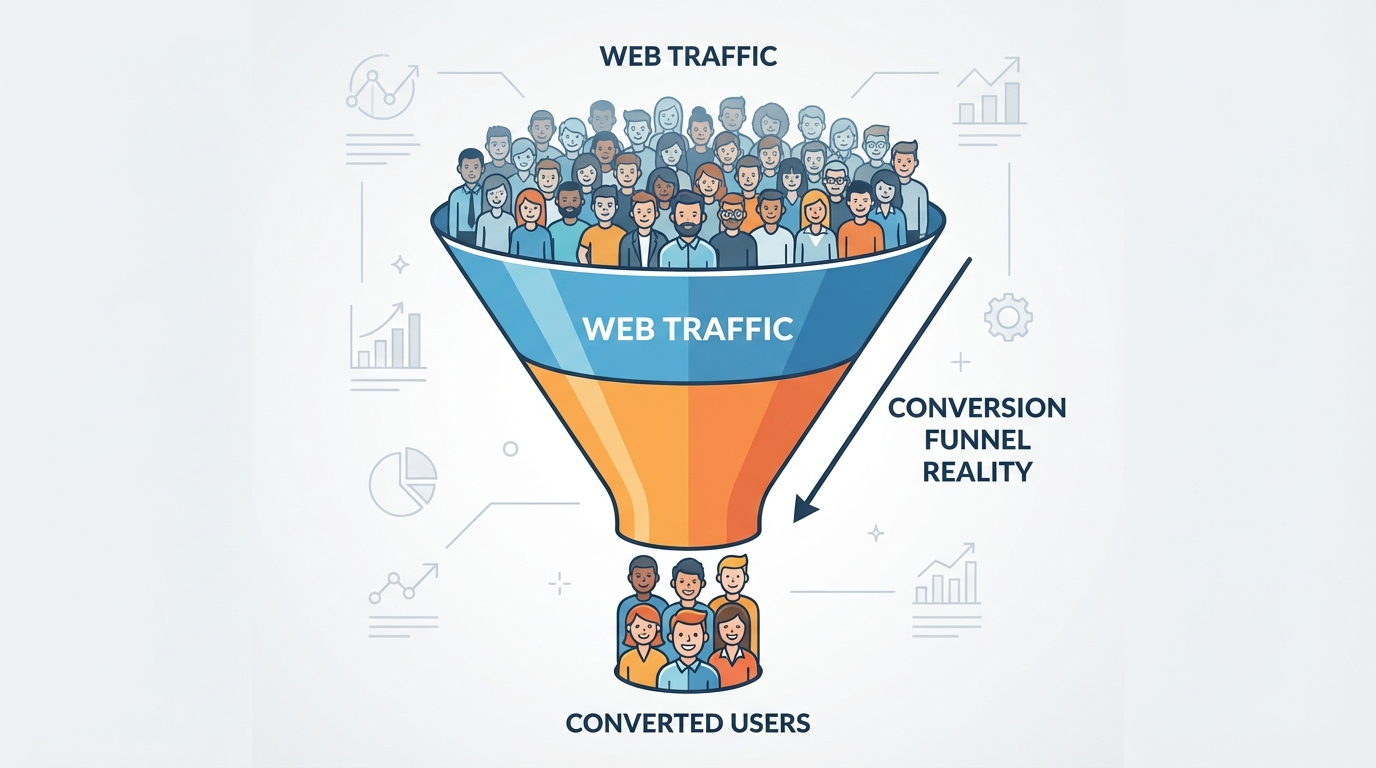
There are a few reasons viral moments fail to convert, and most of them come down to infrastructure problems you can't fix after the fact.
No conversion pathway existed. When someone used our tax tool, what were they supposed to do next? Sign up for a newsletter about enterprise data solutions? It made no sense. We built something useful but forgot to build the bridge from "interesting free tool" to "potential customer."
The audience was too broad. Virality often means reaching everyone, not reaching the right people. A thousand targeted visitors from a niche industry publication would've been worth more than ten thousand homeowners who'll never buy from us.
We measured the wrong things. Page views felt good. Media mentions felt great. But we should've been tracking email signups, demo requests, or at least engagement with our actual service pages. We got drunk on vanity metrics.
The window closed fast. Viral moments last days, maybe a week if you're lucky. We weren't prepared to capitalize during that narrow window because we didn't have the systems in place beforehand.
What Actually Converts When Content Goes Viral
Here's where it gets interesting. Not all viral content fails to convert. Some types perform way better than others.
Content with original data or statistics accounts for 50% of clicks from AI sources, even though those pages only make up 5% of organic search results. That's a 10x difference. When people deliberately click through, they're looking for substance, not just entertainment.
Interactive content shows a 44.4% success rate for conversions compared to 39.9% for passive content. Makes sense when you think about it. Someone who engages with a calculator, quiz, or tool is already invested in a way that someone scrolling past a video isn't.
And email? Still the most reliable conversion channel by far. 35% of marketing leaders report earning $10 to $36 for every dollar spent on email. Another 30% see $36 to $50 returns. Only 21% say they don't measure email ROI anymore, down from 36% in 2023.
The pattern is clear: viral traffic converts when it leads to owned channels where you can nurture relationships over time.
The Authenticity Factor Nobody Talks About
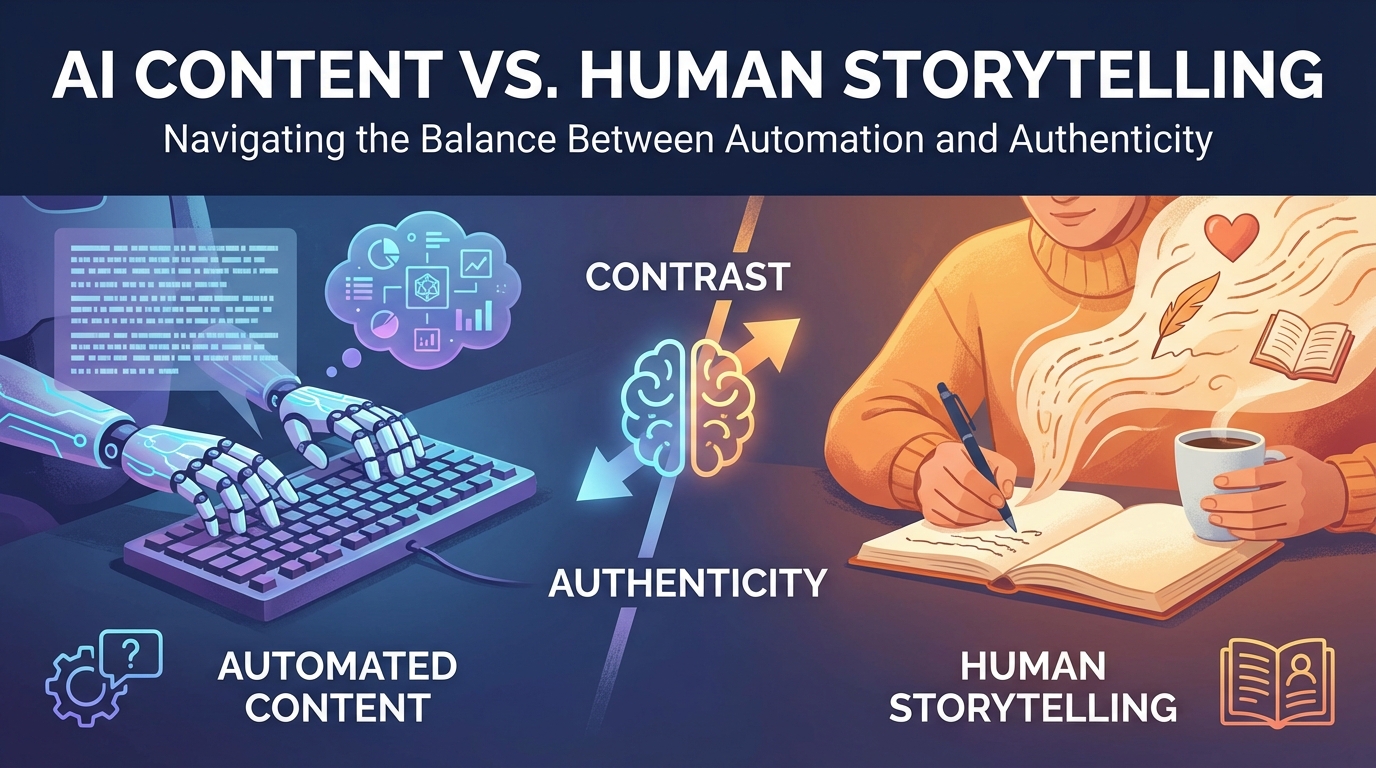
Something shifted in the last year or so. People are tired of generic, AI-generated content that all sounds the same, and that fatigue has pushed many teams toward an AI to human converter to restore a more natural voice. They're craving real stories from real people.
This matters for conversion because trust drives sales. A viral moment built on authentic storytelling, genuine problem-solving, or relatable experiences creates a foundation for conversion that pure entertainment never will.
91% of businesses use video now, and 93% of video marketers say it's important to their strategy. But the platforms that prioritize video (TikTok, Meta, YouTube) actively discourage external clicks. They want you to stay on their platform.
So viral video might get you millions of views and zero website visits. The engagement happens entirely within someone else's ecosystem, and you're left hoping brand awareness eventually translates to something measurable.
How to Actually Convert Viral Traffic to Sales
Look, you can't always plan for virality. But you can prepare your infrastructure so that when it happens, you're ready.
Build email capture into everything. Before content goes viral, make sure there's a clear, compelling reason for people to give you their email. A follow-up guide, exclusive data, early access to tools, anything that extends the relationship beyond that first visit.
Segment your viral audience immediately. Not everyone who shows up during a viral spike is the same. Tag them differently in your CRM based on which piece of content they came from. Then nurture each segment with relevant follow-ups.
Create conversion pathways that make sense. If someone uses your free tool, what's the logical next step? Don't jump straight to "book a demo." Offer something in the middle, a case study, a deeper guide, a community to join.
Track beyond clicks. Impressions, shares, saves, and direct messages matter more than likes now. These signals tell you who's actually engaged versus who just scrolled past.
Use the viral moment to build long-term assets. Capture those email addresses. Get people into a community. Start conversations in DMs. These owned channels give you second, third, and fourth chances to convert people who weren't ready the first time.
The New Math of Viral Success
One case study showed clicks dropping by more than 50% between 2020 and 2025, while web impressions increased and revenue grew more than tenfold. That's not a typo. Fewer clicks, more money.
How? Because the business stopped chasing traffic and started optimizing for the right kind of visibility with the right audience. They built better email funnels. They created more interactive content. They focused on platforms where their actual customers spent time, not where everyone spent time.
This is the new math. Quality of attention beats quantity of eyeballs every single time.
What We'd Do Differently Next Time
If we launched that property tax tool again, here's what would change:
We'd build an email capture flow before launch, something like "Get alerts when your property tax assessment changes" or "Receive our annual property tax optimization guide."
We'd create content bridges connecting homeowners interested in property taxes to broader personal finance topics, eventually leading to our actual B2B offerings through partner recommendations or affiliate relationships.
We'd track community engagement metrics, replies, shares, saves, instead of just counting visitors.
We'd prepare for the traffic spike with server capacity and customer support to handle questions in real time.
Most importantly, we'd go in with realistic expectations. Viral moments create opportunities, not guarantees. The conversion work happens after the spike, through consistent follow-up with people who opted into your ecosystem.
The Bottom Line on Marketing Traffic Conversion
Going viral feels great. It's validation that you created something people care about. But if your goal is revenue, you need infrastructure that converts attention into relationships, and relationships into customers.
The old playbook of "more traffic equals more sales" is dead. In its place is something more nuanced: the right visibility, with the right audience, connected to the right conversion pathways, measured by the right metrics.
So yes, we went viral. And yes, most of that traffic never converted. But the lesson wasn't "don't try to go viral." It was "build the conversion infrastructure first, then hope for virality."
Because when you're ready for it, viral traffic can absolutely convert. You just need to know what you're converting it into, and have the systems in place to make it happen.