Smart Social Bots for Faster Replies and Better Engagement

Spybroski Team
Your Reel goes semi-viral overnight. By 9 a.m., 200 comments and 60 unread direct messages are waiting. An automated assistant has already answered common questions, qualified 12 buyers, escalated 8 support issues with screenshots, and tagged 3 feature requests for your product team.
That is the shift happening now. Social engagement is moving from reactive to proactive, and automation is driving the change.
Nearly three-quarters of consumers expect a response to a social message within 24 hours or less. Another 73% say they will buy from a competitor if a brand stays silent on social. The pressure is real, and manual replies alone cannot keep up.
The brands getting ahead repeat questions fast, keep complex cases with people, and measure the return with simple metrics.
Quick Takeaways
Speed, compliance, and clear handoffs decide whether automation helps or hurts.
- Bots meet speed expectations on social media. Automated first replies cut response times from hours to seconds, which protects revenue and trust.
- Native automation already exists on TikTok and X. Instagram and Messenger use strict messaging windows, so every flow needs compliance rules first.
- The best setups mix intent detection with human handoff. Bots handle repeat work. Humans handle emotion, judgment, and edge cases.
- Tool choice depends on channels, governance, and data storage. Features matter less than where your audience is and how your team manages risk.
- Measurement proves value fast. Track first response time, containment rate, customer satisfaction, revenue from DMs, and cost per contact.
- The roadmap is moving quickly. Multimodal support, agent memory, and social commerce flows are all maturing through 2027.
What These Bots Are, and What They Are Not
These tools work best when they handle repeat work and step aside when judgment is needed.
Social bots usually fit into three groups. Rule-based flows use buttons and preset paths. Natural language processing, or NLP, bots detect intent from free text. Large language model, or LLM, agents generate replies inside guardrails and can use tools.
The focus here is social engagement, not web chat. Think direct messages, comment routing, Story replies, and in-app buying help.
Set expectations early. Disclose automation, log each decision, and route to a person when confidence or sentiment drops below your threshold. IBM estimates that AI customer service bots can reduce operating costs by up to 30% when the design is sound and the guardrails are clear.
Eight Ways Social Teams Work Differently
The biggest shift is better routing, faster replies, and cleaner insight from every message.
These changes show up in daily work almost immediately.
1. Instant DM Triage
Bots detect intent such as pricing, shipping, or returns, then answer with short, tappable choices. They also log the source post or campaign so your team sees where the conversation started.
2. Comment to DM at Scale
Keyword triggers in comments can move private or high-intent questions into direct messages. That protects the customer and keeps your public feed cleaner.
3. Social Commerce Consults
In-message quizzes, back-in-stock alerts, and checkout links turn browsers into buyers. TikTok reports that about 41% of users have contacted a business on TikTok, which makes DM-led commerce a real sales channel.
4. Multilingual and Accessibility Support
Good flows can detect language, keep replies simple, and offer a handoff to email or phone when needed. That makes support easier to use for more people.
5. Crisis and VIP Routing
Sentiment tags and priority rules can push urgent cases to humans in seconds. A fast spike view across posts also helps your communications team brief leadership quickly.
6. Creator and Community Workflows
Pre-approved answer sets let bots draft replies for creator review. That keeps the voice steady while cutting reply time.
7. First-Party Insights
Structured intents and objections from messages can feed your customer relationship management system, or CRM. That helps you update FAQs and product tickets with real customer language.
8. Safer Moderation
Bots can auto-hide slurs based on policy, encourage civil replies, and log each action for audit and compliance review.
How To Choose the Right Setup
The right stack fits your channels, rules, and team workflow better than any flashy demo.
Before you commit, it helps to scan a curated roundup that compares DM workflows, comment handling, social inbox use cases, and governance needs, because that side-by-side view makes it easier to build a realistic shortlist for trials. For a fast, vendor-agnostic starting point that social teams can review quickly before deciding, the best AI chatbot solutions are useful before you narrow vendors further.
McKinsey estimates that generative AI can lift customer care productivity by roughly 30% to 45%. The gains are real, but the tool still needs to match your operating model.
Use this quick category map to narrow the search:
- Social suites with AI care: Help desks with social connectors, such as Zendesk, that support WhatsApp, Facebook Messenger, Instagram Direct, and X Direct Messages.
- Curated comparison roundups: Denser offers a vendor roundup page that helps when you need a shortlist matched to DM, comment, and shared inbox workflows.
- Bot builders: Dedicated tools for Instagram, TikTok, and Messenger automation.
- CRM and service clouds: Platforms with built-in social inboxes and routing rules.
- Native platform automations: TikTok Message Assistant, X automation rules, and similar first-party features.
Check channel support, data residency, meaning where your data is stored, single sign-on, role controls, rate limits, labeling rules, analytics depth, fallback routing, and pricing. Build your own if you need custom safety layers or local logs. Buy if you need speed to value and strong native support.
Platform Playbooks
Each platform supports automation differently, so compliance needs to shape every flow.

Instagram and Messenger
Automated messages are limited to a 24-hour window. Manual HUMAN_AGENT replies can extend messaging up to seven days for human follow-up. Design flows around high-intent triggers such as Story replies and comment keywords. Add a clear disclosure in the greeting and define escalation macros.
TikTok
Business Accounts support four types of automated DMs: welcome messages, keyword replies, suggested questions, and chat prompts. TikTok's Message Assistant is an AI-powered DM bot that tells users they are chatting with a virtual assistant. Start with after-hours replies and pair it with Messaging Ads that use clear copy.
X (Formerly Twitter)
X updated its Automation Rules in April 2026 and permits AI-powered reply and DM bots when they follow platform rules and anti-spam policies. Get explicit opt-in before sending follow-ups. Turn on the automated account label, avoid mass mentions, and log consent by topic.
Governance, Privacy, and Policy Guardrails
Useful personalization only works when storage, labeling, and review rules are clear.
Zendesk's 2025 CX Trends report points to rising demand for AI that feels more human and personal during support. That is helpful only when governance is tight.
Define exactly what gets stored: intent, timestamp, and tags, not full personally identifiable information, or PII, unless it is necessary and lawful. Follow each platform's DM rules. Document your lawful basis and link your privacy notice in every automated greeting.
Require human review for refunds, cancellations, abuse reports, and conversations involving minors. Automate logs and redaction. Add rate limits and abuse filters. Reports indicated that WhatsApp would ban third-party general-purpose AI bots starting January 15, 2026, which is a clear reminder that platform rules can shift fast.
Measurement and ROI
A narrow pilot proves value faster when you track speed, resolution, cost, and revenue together.
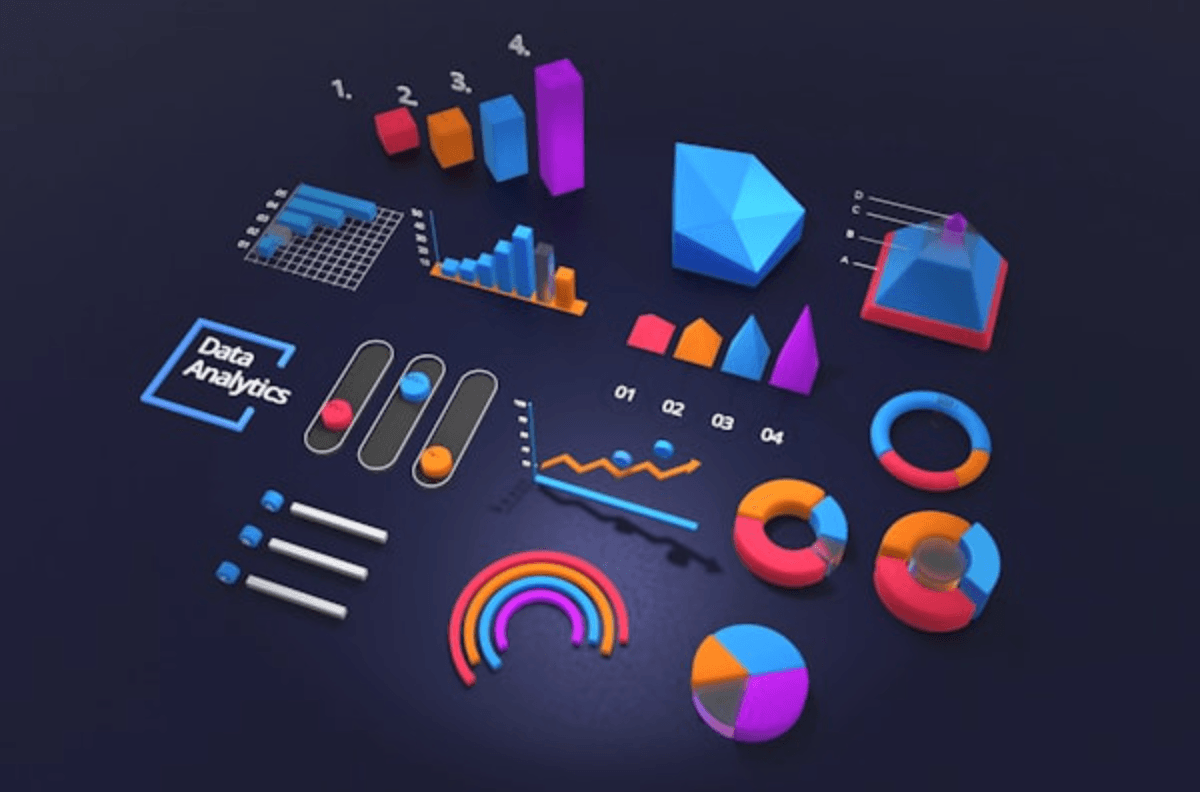
Track first response time, containment rate, meaning the share solved with no human help, customer satisfaction, cost per contact, and revenue from DMs. Keep assisted revenue and direct revenue separate so you can see where the lift really comes from.
Run A/B tests with bot-first versus agent-first routing. Measure time saved per 100 DMs. Gartner projects that self-service and live chat will surpass traditional channels as top customer service technologies by 2027, so building this reporting habit now gives you a head start.
30-60-90 Day Rollout Plan
A phased rollout gives you cleaner data and fewer mistakes than a big launch.
Day 1 to 30: Pick two intents on one channel. Add disclosures, connect analytics, set business hours, and document escalation paths.
Day 31 to 60: Expand to six intents. Add multilingual support. Connect your CRM and enable native auto-messages where eligible.
Day 61 to 90: Add proactive entry points from ads and Stories. Turn on sentiment routing, revenue attribution, and a simple internal QA cadence.
What Comes Next in 2026 and 2027
The next wave will make replies richer, but it will also demand tighter control.
Multimodal support will let bots process images and video in DMs for troubleshooting and virtual try-ons. Agent memory across sessions will make conversations feel more continuous.
Social commerce links will tighten, and platforms will push stricter labels and rate limits by default. Automation will become the baseline, while human agents become specialists.
Start Small and Scale With Proof
The safest way to win is to launch one useful flow, measure it, and improve it.
Bots should handle repetitive work so your team can handle nuance. That is where the value shows up first.
Start with two intents, one channel, and one clear handoff path. Measure the results honestly, then expand with data instead of hype.
FAQs
Most problems come from weak design choices, not from the automation itself.
How Do I Keep Automation From Feeling Spammy on Social?
Disclose that the reply is automated in the greeting. Keep messages short, offer tappable choices, and give people an easy path to a human. Limit follow-up messages unless the user engages again, and respect platform rate limits and message windows.
What Should I Not Automate in DMs?
Avoid automating refunds, cancellations, abuse reports, legal complaints, and any conversation involving a minor. Use the bot to collect context and route the issue, but let a trained agent handle the decision.
How Do I Estimate Cost Savings and Team Impact?
Start with your current cost per contact, then multiply monthly DM volume by your containment goal. Subtract those contacts from the human queue and multiply the difference by cost per contact. That gives you a practical savings estimate you can refine after 60 days of live data.
Do I Need To Disclose That a Bot Is Replying?
Yes. X requires an automated account label, and TikTok's Message Assistant tells users they are chatting with a virtual assistant. Instagram and Messenger do not require one specific label, but a simple greeting such as “Hi, I’m an automated assistant” builds trust and sets expectations.